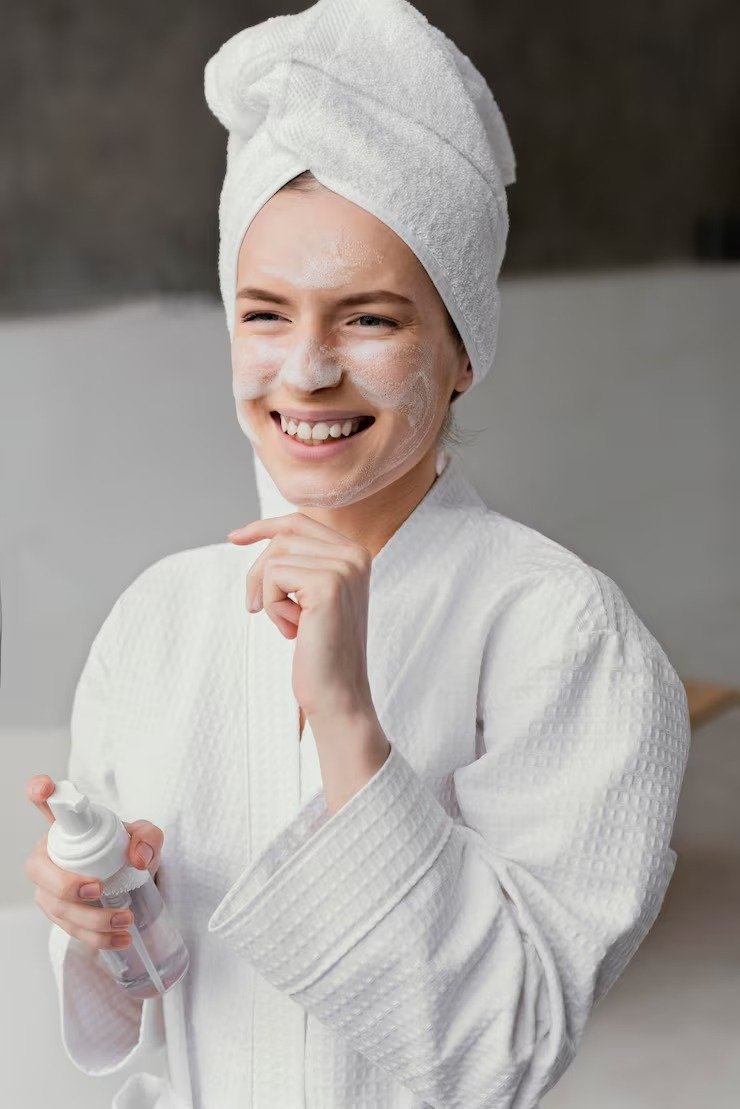









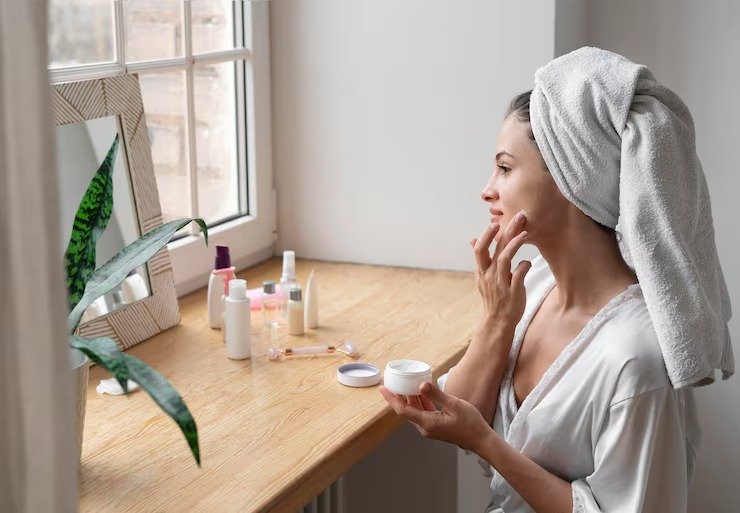
Your skin is your body’s largest organ, a canvas that tells the story of your health, lifestyle, and environment. Finding the best skin care routine isn’t about chasing trends or piling on products—it’s about understanding your unique skin and giving it what it needs to thrive. I remember my early 20s, slathering on every product I could find, only to end up with irritation and no clue why. It was a wake-up call: skin care is personal. This guide will walk you through crafting a routine tailored to your skin type, concerns, and lifestyle, with practical tips, product recommendations, and a sprinkle of humor to keep things light. Whether you’re a beginner or a seasoned skin care enthusiast, let’s build a routine that makes your skin say, “Thank you!”
Why a Personalized Skin Care Routine Matters
Your skin is as unique as your fingerprint. A routine that works wonders for your friend might leave your face feeling like a desert or an oil slick. By tailoring your approach, you address specific concerns—like acne, dryness, or aging—while avoiding irritation. In 2025, the skincare industry is booming, with over $150 billion spent annually in the U.S. alone, and 30% of shoppers starting their search online. A personalized routine ensures you’re not wasting money on products that don’t suit you.
Understanding Your Skin Type
Knowing your skin type is the foundation of any effective routine. Is your skin oily, dry, combination, sensitive, or normal? Oily skin shines by midday, dry skin feels tight, combination skin is a mix of both, sensitive skin reacts to everything, and normal skin is the unicorn we all envy. To figure it out, wash your face with a gentle cleanser and wait an hour without applying anything. Observe how it feels and looks.
Common Skin Concerns
Beyond type, pinpoint your concerns: acne, fine lines, dark spots, or redness. For example, I struggled with hormonal acne in my 30s, which taught me the power of targeted treatments like salicylic acid. Addressing specific issues ensures your routine is effective, not just a daily ritual.
The Core Steps of a Skin Care Routine
Every solid routine has three non-negotiable steps: cleanse, treat, and protect. Think of it as breakfast, lunch, and dinner for your skin—skip one, and it’ll complain. Here’s how to approach each step, tailored to your needs.
Step 1: Cleansing – The Fresh Start
Cleansing removes dirt, oil, and impurities, setting the stage for everything else. Overdo it, and you strip your skin; underdo it, and pores clog. Use a gentle cleanser suited to your skin type twice daily—morning and night.
Choosing the Right Cleanser
- Oily Skin: Gel or foaming cleansers (e.g., CeraVe Foaming Cleanser) cut through excess oil without drying.
- Dry Skin: Creamy or hydrating cleansers (e.g., Cetaphil Gentle Skin Cleanser) add moisture.
- Combination Skin: A balanced cleanser like Neutrogena Hydro Boost Gel works well.
- Sensitive Skin: Fragrance-free options like La Roche-Posay Toleriane Hydrating Cleanser soothe irritation.
Step 2: Treatment – Targeting Your Concerns
Treatments are where you address specific issues, like acne or hyperpigmentation. This step includes serums, essences, or spot treatments. Start with one or two products to avoid overwhelming your skin.
Popular Treatments by Concern
- Acne: Salicylic acid or benzoyl peroxide (e.g., Paula’s Choice 2% BHA Liquid Exfoliant).
- Aging: Retinol or peptides for fine lines (e.g., The Ordinary Retinol 0.5% in Squalane).
- Dark Spots: Vitamin C or niacinamide (e.g., TruSkin Vitamin C Serum).
- Redness: Centella asiatica or aloe-based products (e.g., COSRX Centella Water Alcohol-Free Toner).
Step 3: Protection – Moisturize and Shield
Moisturizing locks in hydration, while sunscreen protects against UV damage, the number-one cause of premature aging. Even if you’re indoors, UVA rays sneak through windows. Use a lightweight moisturizer and a broad-spectrum SPF 30+ daily.
Moisturizer and Sunscreen Picks
- Oily Skin: Gel moisturizers (e.g., Neutrogena Hydro Boost) and non-comedogenic sunscreens (e.g., EltaMD UV Clear SPF 46).
- Dry Skin: Rich creams (e.g., CeraVe Moisturizing Cream) and hydrating sunscreens (e.g., La Roche-Posay Anthelios Melt-in-Milk SPF 60).
- Sensitive Skin: Mineral-based sunscreens (e.g., Blue Lizard Sensitive SPF 30) minimize irritation.
Building Your Routine: Morning vs. Night
Your skin’s needs shift from day to night. Mornings focus on protection, while nights are for repair. Here’s a breakdown, with flexibility to adjust based on your skin type and concerns.
Morning Routine
The goal is to prep your skin for the day. Keep it simple but effective.
Morning Routine Table
| Step | Purpose | Product Example |
|---|---|---|
| Cleanser | Remove overnight oils | CeraVe Hydrating Cleanser |
| Serum | Brighten or hydrate | TruSkin Vitamin C Serum |
| Moisturizer | Lock in hydration | Neutrogena Hydro Boost Gel |
| Sunscreen | Protect from UV rays | EltaMD UV Clear SPF 46 |
Morning routines should feel light and energizing, like a cup of coffee for your face. For example, I love starting my day with a vitamin C serum—it’s like sunshine in a bottle, brightening my complexion.
Night Routine
Nighttime is when your skin repairs itself. This is the time for heavier hitters like retinol or exfoliants.
Night Routine Table
| Step | Purpose | Product Example |
|---|---|---|
| Double Cleanse | Remove makeup/SPF | DHC Deep Cleansing Oil + CeraVe Cleanser |
| Treatment | Repair and renew | The Ordinary Retinol 0.5% |
| Moisturizer | Deep hydration | CeraVe PM Facial Moisturizing Lotion |
| Optional Mask | Extra nourishment | Laneige Water Sleeping Mask |
At night, I treat my skin like it’s going to a spa. A double cleanse feels indulgent, and a good retinol makes me feel like I’m investing in future me.
Advanced Additions: When to Level Up
Once you’ve nailed the basics, you can add extras like exfoliants, toners, or masks. But proceed with caution—overloading your routine can lead to irritation, as I learned the hard way after a disastrous exfoliation spree.
Exfoliation – Once or Twice a Week
Exfoliants slough off dead skin, revealing a brighter complexion. Chemical exfoliants (AHAs/BHAs) are gentler than physical scrubs. Try Paula’s Choice 2% BHA for oily skin or The Ordinary Lactic Acid 5% for dry skin.
Toners and Essences
Toners balance your skin’s pH, while essences add hydration. For example, COSRX Propolis Light Ampoule is great for a dewy glow. Use these after cleansing but before serums.
Masks and Treatments
Sheet masks or overnight masks (e.g., Dr. Jart+ Ceramidin Mask) are like a treat for your skin. Use them 1–2 times a week for an extra boost.
Skin Care by Skin Type: Tailored Routines
Here’s how to tweak your routine based on your skin type, with specific product recommendations and tips.
Oily Skin Routine
Oily skin needs oil control without stripping. Focus on lightweight, non-comedogenic products.
- Cleanser: La Roche-Posay Effaclar Gel.
- Treatment: Salicylic acid serum (e.g., The Ordinary Salicylic Acid 2% Solution).
- Moisturizer: Gel-based like Clinique Dramatically Different Moisturizing Gel.
- Sunscreen: Matte-finish SPF (e.g., Supergoop! Unseen Sunscreen SPF 40).
Pro Tip: Clay masks (e.g., Aztec Secret Indian Healing Clay) absorb excess oil weekly.
Dry Skin Routine
Dry skin craves hydration and barrier repair. Rich textures are your friend.
- Cleanser: Cetaphil Gentle Skin Cleanser.
- Treatment: Hyaluronic acid serum (e.g., The Ordinary Hyaluronic Acid 2% + B5).
- Moisturizer: CeraVe Moisturizing Cream.
- Sunscreen: Hydrating SPF (e.g., Neutrogena Hydro Boost SPF 50).
Pro Tip: Add a facial oil like squalane at night for extra moisture.
Combination Skin Routine
Combination skin is tricky—oily T-zone, dry cheeks. Balance is key.
- Cleanser: CeraVe Foaming Cleanser.
- Treatment: Ncomedyogenic products to avoid clogging pores. Look for lightweight, oil-free options.
Pros and Cons of Combination Skin Products
Pros:
- Gel cleansers control oil without drying cheeks.
- Lightweight serums hydrate without greasiness.
- Non-comedogenic sunscreens prevent breakouts.
Cons:
- Balancing oily and dry areas requires trial and error.
- Some products may feel too heavy or too light for certain zones.
Sensitive Skin Routine
Sensitive skin needs gentle, fragrance-free products to avoid irritation.
- Cleanser: La Roche-Posay Toleriane Hydrating Cleanser.
- Treatment: Centella asiatica serum (e.g., SkinCeuticals Phyto Corrective Gel).
- Moisturizer: Vanicream Moisturizing Cream.
- Sunscreen: Mineral-based like Blue Lizard Sensitive SPF 30.
Pro Tip: Patch-test new products on your inner arm to avoid reactions.
Tools and Technology for Skin Care in 2025
Skincare tech is evolving fast. Here are some tools to enhance your routine.
Top Skin Care Tools
- LED Masks: Shark’s LED mask improves radiance with red light therapy.
- Facial Cleansing Brushes: Clarisonic or Foreo Luna for deeper cleansing.
- Microcurrent Devices: NuFACE Trinity tones facial muscles for a lifted look.
Comparison of Popular Tools
| Tool | Best For | Price Range | Where to Buy |
|---|---|---|---|
| Shark LED Mask | Anti-aging, radiance | $300–$500 | Shark Official Site |
| Foreo Luna | Deep cleansing | $100–$200 | Sephora |
| NuFACE Trinity | Toning, lifting | $200–$400 | Ulta |
People Also Ask (PAA) Section
What is the best daily skin care routine?
A basic routine includes cleansing, treating specific concerns with a serum, moisturizing, and applying sunscreen daily. Tailor products to your skin type and concerns, like salicylic acid for acne or retinol for aging. Consistency is key.
What order should I apply skin care products?
Start with a cleanser, followed by toner or essence, then serums or treatments, moisturizer, and sunscreen (morning only). At night, double cleanse if wearing makeup or SPF, then apply treatments and a heavier moisturizer.
How often should I exfoliate my skin?
Exfoliate 1–2 times per week to avoid irritation. Chemical exfoliants like AHAs or BHAs are gentler than scrubs and suit most skin types. Always follow with a moisturizer to protect your skin barrier.
What are the best skin care products for beginners?
Beginners should stick to basics: a gentle cleanser (CeraVe), a hydrating serum (The Ordinary Hyaluronic Acid), a lightweight moisturizer (Neutrogena Hydro Boost), and a broad-spectrum SPF (EltaMD). Start simple and build from there.
FAQ Section
How do I know my skin type?
Wash your face and wait an hour without applying products. Oily skin feels greasy, dry skin feels tight, combination skin has both, sensitive skin may feel irritated, and normal skin feels balanced.
Can I skip sunscreen if I’m indoors?
No, UVA rays penetrate windows and cause aging. Use a broad-spectrum SPF 30+ daily, like La Roche-Posay Anthelios, for protection, even indoors.
How long does it take to see results from a skin care routine?
Results vary by product and concern. Hydration improves in days, acne treatments take 4–8 weeks, and anti-aging products like retinol may need 3–6 months for noticeable changes.
Are expensive skin care products worth it?
Not always. Affordable brands like CeraVe and The Ordinary offer effective, science-backed formulas. Focus on ingredients and your skin’s needs, not price tags.
Can I mix products from different brands?
Yes, as long as the products suit your skin type and don’t cause irritation. Patch-test new combinations and avoid mixing strong actives like retinol and vitamin C in the same routine to prevent sensitivity.
Tips for Long-Term Success
- Consistency is King: Stick to your routine daily for best results. Skipping steps is like skipping meals—your skin notices.
- Patch-Test Everything: Apply new products to a small area first to avoid surprises. My red, angry face after a bad product trial wishes I’d known this sooner.
- Stay Hydrated and Eat Well: Skin health starts from within. Drink water and eat antioxidant-rich foods like berries.
- Adjust Seasonally: In 2025, trends show a rise in multifunctional products for simpler routines. Switch to heavier moisturizers in winter and lighter ones in summer.
Where to Buy the Best Skin Care Products
- Sephora: Wide range of brands, from luxury to budget. Great for samples.
- Ulta: Offers both drugstore and high-end options with frequent sales.
- Amazon: Convenient for brands like CeraVe and The Ordinary, often at lower prices.
- Brand Websites: Buy directly from La Roche-Posay or Paula’s Choice for exclusive deals.
Conclusion: Your Skin, Your Routine
Crafting the best skin care routine is like finding the perfect coffee order—it takes trial, error, and a bit of patience. Start with the basics: cleanse, treat, protect. Tailor products to your skin type and concerns, and don’t be afraid to experiment (cautiously). Your skin is a reflection of your care, so treat it with love, not haste. What’s your biggest skin care struggle? Share in the comments below, and let’s figure out the perfect routine for you!