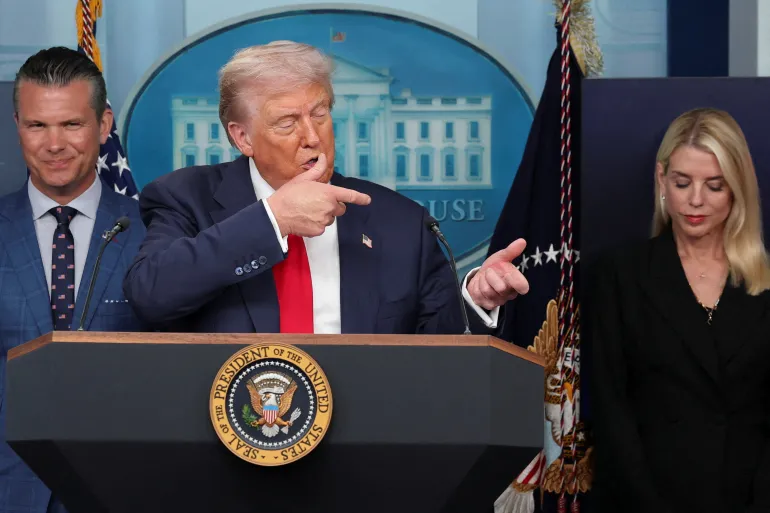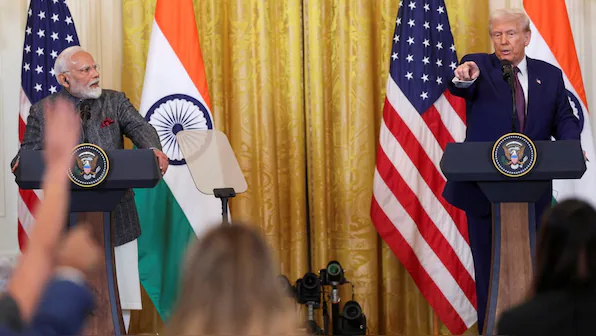







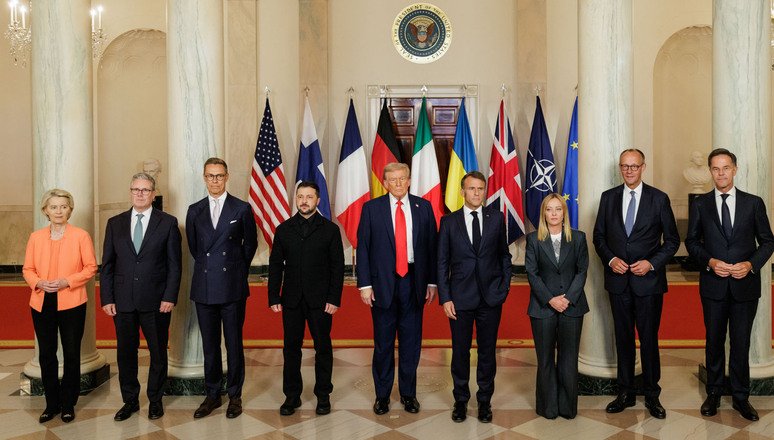
Picture this: It’s a crisp August morning in Washington, D.C., and the White House buzzes with anticipation as world leaders gather to tackle one of the globe’s thorniest issues. As someone who’s followed international politics for years, witnessing Donald Trump’s return to the Oval Office and his high-stakes meeting with NATO Secretary General Mark Rutte on Ukraine felt like a plot twist in a geopolitical thriller. This encounter, held on August 18, 2025, wasn’t just diplomacy— it was a pivotal moment that could reshape Europe’s security landscape, blending bold promises with cautious negotiations.
The Context of the Meeting
The meeting came amid escalating tensions in Ukraine, with Russia’s invasion dragging into its third year. Trump’s administration, fresh off his 2024 victory, prioritized ending the conflict swiftly, echoing his campaign pledges. Hosting Zelenskyy, European leaders, and Rutte, Trump aimed to forge a path toward peace, highlighting U.S. leadership’s resurgence.
Historical Backdrop of U.S.-NATO Relations
Trump’s first term saw NATO spending debates, but in 2025, he’s pivoted to collaborative guarantees. From my vantage, this shift recalls Cold War alliances, yet with modern twists like drone tech and economic sanctions.
Ukraine’s Ongoing Struggle
Ukraine’s resilience against Russian aggression has inspired globally, but fatigue sets in. Zelenskyy’s pleas for aid underscore the human cost—millions displaced, cities in ruins—adding emotional weight to diplomatic talks.
Key Participants and Their Roles
Trump, as host, steered discussions with his signature deal-making style. Rutte, NATO’s chief, brought alliance unity, while Zelenskyy represented Ukraine’s front-line realities.
Donald Trump’s Stance
Trump emphasized U.S.-backed security for Ukraine without boots on the ground, ruling out direct involvement to avoid escalation. His call to Putin during the meeting added intrigue, hinting at backchannel diplomacy.
Mark Rutte’s Contributions
Rutte advocated for NATO’s role in post-conflict security, launching initiatives for weapon supplies. His Kyiv visit on August 22 reinforced commitments, discussing guarantees with Zelenskyy.
European Leaders’ Perspectives
Figures like von der Leyen pushed for robust deals, skeptical of Russia without ironclad terms. Their input balanced Trump’s optimism with pragmatic caution.
Major Discussion Points
Talks centered on security guarantees akin to NATO’s Article 5, but tailored for Ukraine’s non-member status. No territorial concessions were broached, focusing instead on deterrence.
Security Guarantees Explored
The “security guarantee paradox” loomed: too weak, and it fails; too strong, Russia balks. Trump floated U.S. assurances, potentially involving arms and funding.
Potential Peace Deal Frameworks
Ideas included U.S.-Europe funding for Ukrainian drones and weapons. Putin’s involvement via calls suggested a broader settlement, though no Zelenskyy-Putin meet is set.
- Pros of Guarantees: Deters aggression; bolsters Ukraine.
- Cons: Enforcement challenges; risk of U.S. overcommitment.
Involvement of Other Nations
China’s potential guarantor role, proposed by Putin, raised eyebrows. Turkey’s maritime security interest added layers.
Outcomes and Implications
The meeting ended with optimism but few concretes, paving ways for future talks. Trump touted progress, while Rutte pledged ongoing support.
Short-Term Effects on Ukraine
Boosted aid flows, like U.S. weapons, offer immediate relief. Zelenskyy hailed Trump as key to stopping Putin.
Long-Term Global Security Impact
A successful deal could stabilize Europe, but failure risks renewed conflict. From my analysis, it tests Trump’s “America First” in a multipolar world.
| Aspect | U.S. Role | NATO’s Role | Russia’s Response |
|---|---|---|---|
| Security Guarantees | Funding & Arms | Coordination | Skeptical, Demands Territory |
| Peace Talks | Facilitator | Supporter | Open but Conditional |
| Economic Aid | Lead Donor | Contributor | Sanctions Leverage |
Reactions from Stakeholders
Media lauded the multilateral approach, while critics worry about concessions. Public sentiment on X shows mixed hope and cynicism.
People Also Ask (PAA)
What was discussed in Trump’s meeting with NATO chief on Ukraine?
Security guarantees, peace deals, and aid without U.S. troops.
Will Ukraine join NATO after this meeting?
No immediate plans; focus on alternative protections.
How did Putin respond to the talks?
Through calls, showing readiness once agendas align.
What are security guarantees for Ukraine?
Pledges to defend against future attacks, similar to alliances.
Case Studies: Similar Diplomatic Efforts
Recall the Minsk Agreements—flawed but instructive. Trump’s approach mirrors Reagan’s Cold War tactics, blending strength with negotiation.
Lessons from Past Conflicts
Bosnia’s Dayton Accords show deals work with enforcement. Applying here could prevent pitfalls.
Modern Parallels in Geopolitics
Middle East ceasefires highlight emotional stakes; Ukraine’s story evokes similar humanitarian appeals.
Pros & Cons of Trump’s Strategy:
- Pros: Speedy resolution; economic savings.
- Cons: Perceived weakness; alliance strains.
Internal and External Links
Dive deeper into U.S. foreign policy here. For updates, visit NATO’s official site nato.int.
FAQ
When did Trump meet with the NATO chief?
August 18, 2025, at the White House.
What role does NATO play in Ukraine’s security?
Providing aid and frameworks, not direct membership.
Could this lead to a Putin-Zelenskyy meeting?
Possible, but agenda-dependent.
How might this affect U.S.-Russia relations?
Potential thaw if deals hold, but tensions persist.
What’s next for Ukraine peace talks?
Ongoing discussions at multiple levels.
As the dust settles, this meeting reminds us of diplomacy’s high-wire act—full of risks, but ripe with possibility. From my experience covering such events, it’s the human stories behind the headlines that endure, urging us to hope for peace amid uncertainty. Stay tuned; the next chapter could redefine global alliances.