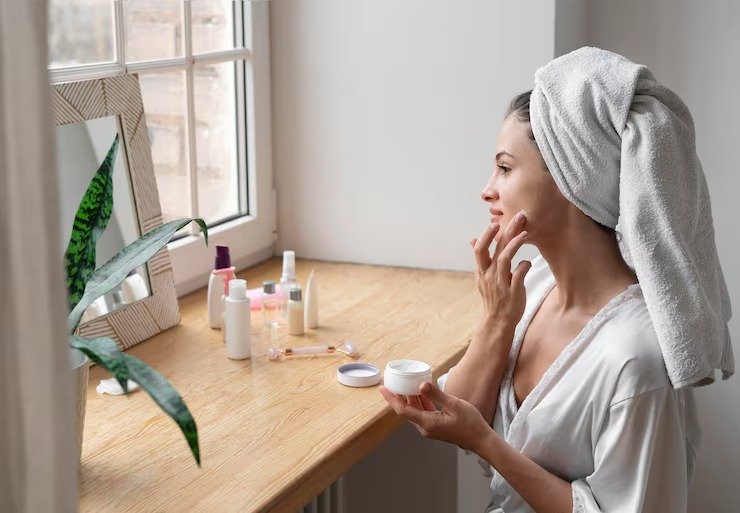









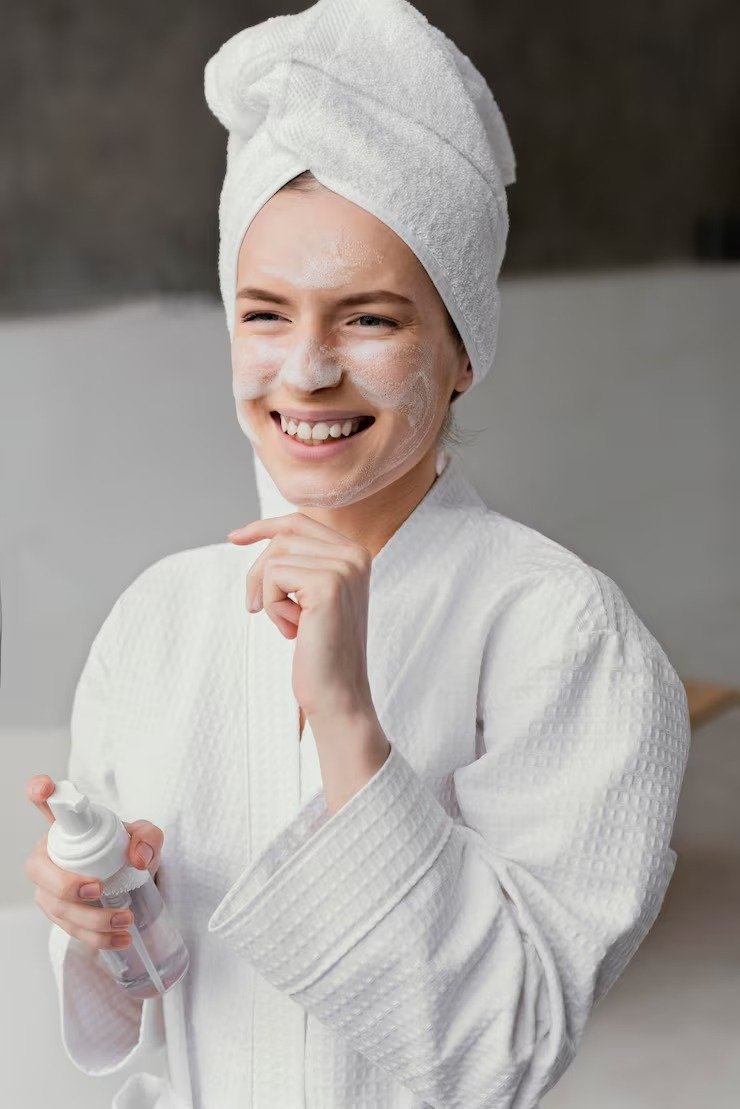
As you cross the threshold of your 30s, your skin begins to tell a story of its own. Those carefree days of your 20s, when you could skip sunscreen or sleep with makeup on, start to catch up. Fine lines, dullness, and the occasional surprise breakout might greet you in the mirror, reminding you that your skin needs a little more love now. But don’t worry—this decade is the perfect time to build a skincare routine that keeps you glowing for years to come. In this guide, we’ll dive into eight expert-backed tips to care for your skin after 30, blending science, practical advice, and a touch of personal storytelling to help you embrace your skin’s new chapter with confidence.
Why Skincare in Your 30s Matters
Your 30s mark a pivotal shift in your skin’s biology. Collagen and elastin production slow, cell turnover takes its time, and years of sun exposure or stress might start showing up as fine lines or uneven tone. A thoughtful skincare routine now can prevent premature aging and keep your skin vibrant. Think of it as an investment in your future self—because who doesn’t want to look as radiant at 40 as they did at 25?
What Happens to Your Skin After 30?
As you age, your skin undergoes subtle but significant changes. Collagen, the protein that keeps your skin firm, decreases by about 1% per year, leading to less elasticity and the first signs of wrinkles. Sebum production slows, making your skin drier, while accumulated sun damage may surface as dark spots or uneven texture. Hormonal shifts can also trigger adult acne or sensitivity, especially for women navigating life’s busy demands. Understanding these changes is the first step to tailoring a routine that works for you.
Tip 1: Cleanse Gently but Thoroughly
Cleansing is the cornerstone of any skincare routine, but in your 30s, it’s about finding the right balance. Harsh cleansers can strip your skin’s natural oils, leaving it dry and vulnerable, while skipping cleansing altogether lets dirt and makeup clog pores. A gentle, hydrating cleanser used twice daily—morning and night—sets the stage for healthy skin. I learned this the hard way after using a foaming cleanser that left my face feeling like a desert; switching to a cream-based one was a game-changer.
Choosing the Right Cleanser
Look for a cleanser with soothing ingredients like chamomile or aloe vera, especially if your skin leans sensitive. For oily or combination skin, a gel-based cleanser with a touch of salicylic acid can keep breakouts at bay without over-drying. Double-cleansing at night—starting with an oil-based cleanser to remove makeup and sunscreen, followed by a water-based one—ensures your skin is clean without compromising its moisture barrier.
Morning vs. Night Cleansing
Morning cleansing refreshes your skin and preps it for the day, while nighttime cleansing removes the day’s grime and makeup. At night, take an extra minute to massage the cleanser in—think of it as a mini facial that boosts circulation. Your skin will thank you by looking brighter and feeling softer.
Tip 2: Exfoliate Smartly for a Radiant Glow
Exfoliation sloughs off dead skin cells, revealing the fresh, glowing skin underneath. But in your 30s, overdoing it can irritate your skin and weaken its barrier. Aim for gentle exfoliation two to three times a week, preferably at night when your skin is in repair mode. I once over-exfoliated with a gritty scrub and ended up with red, angry skin—lesson learned: less is more.
Chemical vs. Physical Exfoliation
Chemical exfoliants, like those with alpha-hydroxy acids (AHAs) such as glycolic acid or beta-hydroxy acids (BHAs) like salicylic acid, dissolve dead skin cells without abrasive scrubbing. Physical exfoliants, like sugar scrubs, can work but require a light hand to avoid micro-tears. For sensitive skin, try lactic acid for a gentler approach.
How to Exfoliate Safely
Apply your exfoliant after cleansing, using a small amount and avoiding the delicate eye area. Follow with a hydrating serum or moisturizer to lock in moisture. If your skin feels tight or looks red, scale back to once a week and consult a dermatologist if irritation persists.
Tip 3: Embrace Sunscreen as Your Skin’s Best Friend
If there’s one non-negotiable in your 30s, it’s sunscreen. UV rays are the leading cause of premature aging, contributing to wrinkles, dark spots, and loss of elasticity. A broad-spectrum sunscreen with at least SPF 30, applied daily (yes, even on cloudy days), is your skin’s ultimate shield. I used to skip sunscreen on rainy days, only to notice new freckles after a winter trip—now, it’s a daily ritual, rain or shine.
Picking the Perfect Sunscreen
Choose a sunscreen suited to your skin type: lightweight gels for oily skin, creamy formulas for dry skin, or mineral-based options (with zinc oxide or titanium dioxide) for sensitive skin. Reapply every two hours if you’re outdoors, and don’t forget your neck, ears, and hands. A tinted sunscreen can double as a light foundation for a natural look.
Sunscreen Application Tips
Apply sunscreen as the last step in your morning routine, after moisturizer but before makeup. Use about a nickel-sized amount for your face and neck. For extra protection, look for sunscreens with antioxidants like vitamin C to combat free radicals from UV exposure.
Tip 4: Hydrate with a Moisturizer and Serum Combo
Hydration is key to plump, youthful skin, especially as natural moisture levels decline in your 30s. A good moisturizer locks in hydration, while a serum delivers targeted ingredients deep into your skin. My skin used to feel tight by midday until I added a hyaluronic acid serum under my moisturizer—now it stays soft and dewy all day.
Best Ingredients for Hydration
Hyaluronic acid, ceramides, and glycerin are hydration powerhouses that plump the skin and strengthen its barrier. For serums, look for vitamin C in the morning to brighten and protect, or niacinamide at night to even out tone and reduce redness. Apply serum to damp skin for maximum absorption, then seal it with a moisturizer.
Day vs. Night Moisturizing
Daytime moisturizers should be lightweight and pair well with sunscreen, while nighttime ones can be richer to support skin repair. If you’re prone to dryness, try a moisturizing mask once a week for an extra boost. Drinking 8–10 glasses of water daily also keeps your skin hydrated from within.
Tip 5: Introduce Retinol for Anti-Aging Power
Retinol, a vitamin A derivative, is a dermatologist favorite for fighting fine lines, boosting collagen, and improving texture. Start with a low concentration (0.1%–0.3%) and use it 2–3 nights a week to avoid irritation. When I first tried retinol, I used it too often and got flaky skin—easing in slowly made all the difference.
How to Use Retinol Safely
Apply a pea-sized amount of retinol at night after cleansing, avoiding the eye and mouth areas. Always follow with a moisturizer to minimize dryness. Since retinol increases sun sensitivity, never skip sunscreen the next day. If you’re pregnant or breastfeeding, consult a doctor before using retinol.
Retinol Alternatives
If retinol feels too harsh, try bakuchiol, a plant-based alternative with similar benefits but less irritation. Peptides are another gentle option that supports collagen production. Gradually increase retinol use as your skin builds tolerance, and be patient—results can take 6–12 weeks.
Tip 6: Don’t Skip the Eye Cream
The skin around your eyes is thinner and shows aging first, with fine lines, puffiness, or dark circles becoming more noticeable in your 30s. A targeted eye cream can hydrate, firm, and brighten this delicate area. I used to think eye cream was optional until I noticed crow’s feet creeping in—now, it’s a non-negotiable part of my routine.
Key Eye Cream Ingredients
Look for eye creams with caffeine to reduce puffiness, peptides to boost firmness, or vitamin K to brighten dark circles. Apply a small amount with your ring finger, gently patting along the orbital bone. Avoid heavy creams that can clog pores or cause milia (small white bumps).
When to Apply Eye Cream
Use eye cream morning and night after your serum but before moisturizer. For daytime, choose a lightweight formula that plays well under makeup. At night, a richer cream can help repair and hydrate while you sleep.
Tip 7: Prioritize a Healthy Lifestyle
Your skin reflects your overall health, and lifestyle choices in your 30s can make or break your glow. Poor diet, stress, or lack of sleep can accelerate aging, while healthy habits keep your skin vibrant. I noticed my skin looked dull during a stressful work phase—adding yoga and more veggies turned things around.
Diet and Skin Health
Eat foods rich in antioxidants, like berries, nuts, and leafy greens, to fight free radicals. Omega-3 fatty acids from salmon or chia seeds support skin hydration, while collagen supplements (like powders or gummies) may boost elasticity. Limit sugar and processed foods, which can trigger inflammation and breakouts.
Sleep and Stress Management
Aim for 7–9 hours of sleep to allow your skin to repair itself. Stress raises cortisol levels, which can break down collagen, so try mindfulness practices like meditation or journaling. Even a 10-minute walk can boost circulation and give your skin a healthy flush.
Tip 8: Schedule Regular Facials or Professional Treatments
Facials and professional treatments can give your skin a boost that at-home routines can’t match. A monthly facial or occasional treatments like chemical peels or microneedling can address specific concerns like dullness or fine lines. My first facial at 32 left my skin so radiant, I wished I’d started sooner.
Types of Professional Treatments
Hydrating facials improve moisture and glow, while chemical peels exfoliate deeply to smooth texture. Microneedling stimulates collagen production, reducing fine lines over time. Consult a dermatologist to find treatments suited to your skin type and concerns.
At-Home Facial Alternatives
If professional treatments aren’t in your budget, try at-home facial masks with ingredients like clay for oil control or yogurt for hydration. Use a facial steamer to open pores before masking, and follow with a serum for maximum benefits. Consistency is key, whether at home or with a pro.
Comparison: Skincare Routine for 20s vs. 30s
| Aspect | 20s Skincare | 30s Skincare |
|---|---|---|
| Focus | Prevention, oil control | Anti-aging, hydration |
| Cleansing | Basic foaming cleanser | Gentle, hydrating cleanser |
| Exfoliation | 2–3 times weekly, often physical scrubs | 2–3 times weekly, prefer chemical |
| Sunscreen | Often skipped | Daily SPF 30+, broad-spectrum |
| Key Ingredients | Salicylic acid, benzoyl peroxide | Retinol, hyaluronic acid, vitamin C |
| Treatments | Rare, mostly for acne | Regular facials, peels, or microneedling |
In your 20s, skincare is often reactive, targeting breakouts or oiliness. By your 30s, the focus shifts to proactive anti-aging and hydration, with richer products and professional treatments to maintain elasticity and glow.
Pros and Cons of a 30s Skincare Routine
Pros:
- Prevents premature aging, reducing future wrinkles and sagging.
- Boosts confidence with healthier, radiant skin.
- Addresses specific concerns like dark spots or fine lines early.
- Encourages healthy lifestyle habits that benefit overall well-being.
Cons:
- Time-intensive, requiring consistent daily and nightly routines.
- Can be costly, especially with professional treatments or high-end products.
- Requires trial and error to find products that suit your skin.
- Some ingredients (like retinol) may cause initial irritation.
People Also Ask (PAA) Section
At what age should I start anti-aging skincare?
Anti-aging skincare is ideal in your late 20s or early 30s, as collagen production begins to decline around this time. Starting early with sunscreen, antioxidants, and gentle exfoliation can prevent visible signs of aging.
Can I use retinol every night in my 30s?
Not right away. Start with 2–3 nights a week to build tolerance, as daily use can cause dryness or irritation. Gradually increase frequency over months, and always consult a dermatologist if unsure.
What’s the best sunscreen for daily use?
A broad-spectrum SPF 30+ sunscreen, like La Roche-Posay Anthelios or EltaMD UV Clear, works well for most skin types. Choose a formula that matches your skin—gel for oily, cream for dry.
How often should I get a facial in my 30s?
Once a month is ideal for maintaining skin health, but every 6–8 weeks works if budget or time is tight. At-home masks can supplement professional treatments.
Where to Get Skincare Products and Tools
- Drugstores and Retail: Affordable options like CeraVe, Neutrogena, or The Ordinary are available at CVS, Walgreens, or Target.
- Specialty Stores: Sephora and Ulta carry mid-range and luxury brands like Drunk Elephant or SkinCeuticals.
- Online: Websites like Dermstore or Amazon offer a wide range, often with reviews and discounts.
- Dermatologist Offices: Prescription products like retinoids or professional-grade serums are available through a dermatologist.
For tools, consider a facial steamer from Conair (available on Amazon) or a jade roller for at-home massages, which boost circulation and product absorption.
Best Products for Your 30s Skincare Routine
Here’s a curated list of dermatologist-recommended products to build your routine:
- Cleanser: CeraVe Hydrating Cleanser ($15, drugstores) – Gentle and non-stripping.
- Exfoliant: Paula’s Choice Skin Perfecting 2% BHA Liquid ($32, paulaschoice.com) – Clears pores and smooths texture.
- Serum: The Ordinary Vitamin C Suspension 23% ($7, sephora.com) – Brightens and protects.
- Moisturizer: Neutrogena Hydro Boost Water Gel ($20, target.com) – Lightweight hydration.
- Sunscreen: EltaMD UV Clear SPF 46 ($39, dermstore.com) – Non-greasy, ideal for sensitive skin.
- Retinol: RoC Retinol Correxion Deep Wrinkle Night Cream ($25, amazon.com) – Beginner-friendly.
- Eye Cream: Olay Eyes Ultimate Eye Cream ($30, ulta.com) – Hydrates and reduces puffiness.
- Facial Mask: Origins Clear Improvement Charcoal Mask ($28, sephora.com) – Detoxifies and refreshes.
FAQ Section
How can I slow down skin aging in my 30s?
Protect your skin with daily SPF, use retinol or antioxidants, stay hydrated, eat a nutrient-rich diet, and manage stress. Consistency is key to delaying wrinkles and maintaining elasticity.
What are the signs of aging skin?
Common signs include fine lines, wrinkles, dark spots, dullness, and reduced elasticity. You may also notice dryness, sensitivity, or adult acne due to hormonal changes.
Should I see a dermatologist in my 30s?
Yes, especially if you have persistent acne, sensitivity, or concerns about aging. A dermatologist can recommend personalized products or treatments like peels or microneedling.
Can lifestyle changes improve my skin?
Absolutely. A balanced diet, regular exercise, adequate sleep, and stress management support skin health by reducing inflammation and boosting circulation.
Are collagen supplements worth it?
Some studies suggest collagen peptides (like Vital Proteins Collagen Powder) may improve skin elasticity and hydration after 12 weeks. Results vary, so consult a doctor before starting.
Conclusion: Your Skin, Your Story
Your 30s are a time of transformation, and your skin is no exception. By embracing these eight tips—gentle cleansing, smart exfoliation, daily sunscreen, hydration, retinol, eye cream, a healthy lifestyle, and occasional professional treatments—you can keep your skin radiant and resilient. It’s not about chasing youth but celebrating the skin you’re in with care and confidence. Start small, stay consistent, and watch your glow shine through the years. For personalized advice, visit a dermatologist or explore trusted brands at Sephora or Dermstore. Here’s to your best skin yet!