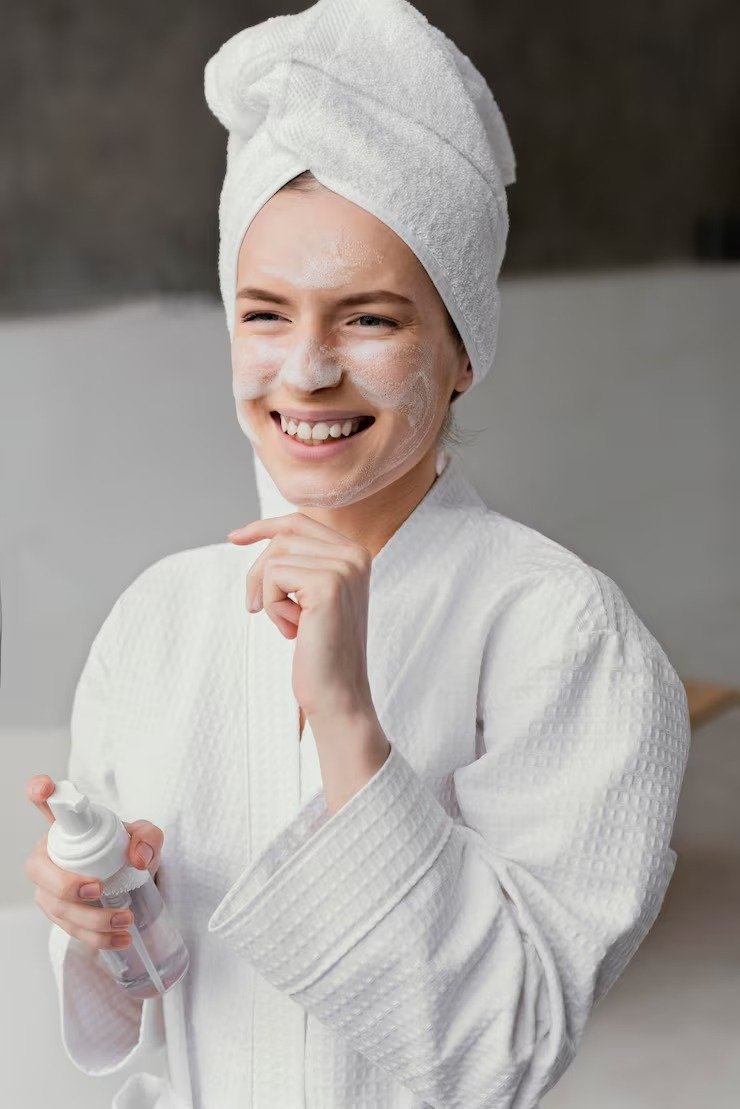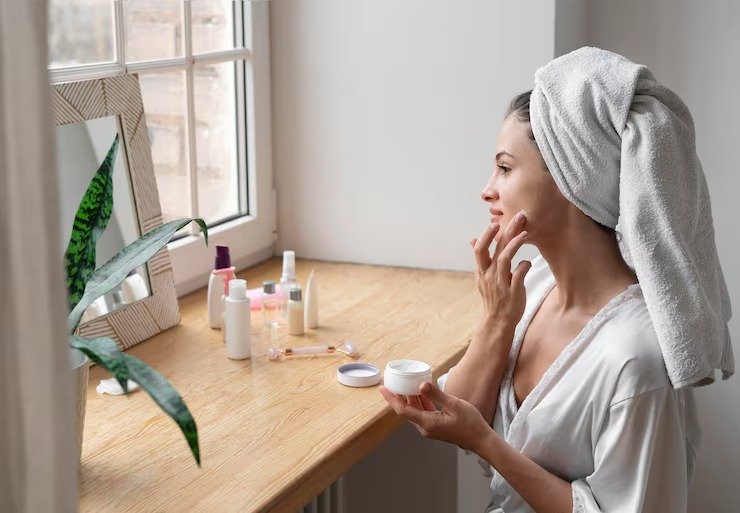










Skincare can feel like stepping into a maze without a map. Rows of colorful bottles, endless influencer tutorials, and buzzwords like “hyaluronic acid” or “retinol” can leave you dizzy. I remember my first trip to the skincare aisle—overwhelmed, I grabbed a random cleanser and hoped for the best. Spoiler: my skin wasn’t thrilled. If you’re new to skincare, don’t worry. This guide will walk you through building a simple, effective routine tailored to your needs, with practical tips, product recommendations, and a touch of humor to keep it real. Let’s dive in and make your skin glow like it’s ready for its close-up.
Why Skincare Matters for Beginners
Your skin is your body’s largest organ, and it’s working hard every day to protect you from pollution, sun damage, and stress. A consistent skincare routine isn’t just about looking good—it’s about keeping your skin healthy, resilient, and ready to face the world. Starting simple helps you avoid irritation and sets a foundation for glowing results over time.
Skincare Is Self-Care
Think of your skincare routine as a daily hug for your face. It’s a moment to pause, care for yourself, and build confidence. A good routine can prevent issues like acne or dryness while slowing signs of aging. Plus, who doesn’t want to wake up looking like they just stepped out of a spa?
Step 1: Know Your Skin Type
Before you buy a single product, you need to understand your skin type. Using products that don’t suit your skin is like wearing flip-flops in a snowstorm—uncomfortable and ineffective. Skin types generally fall into five categories: oily, dry, combination, sensitive, or normal.
How to Identify Your Skin Type
Wash your face with a gentle cleanser and wait an hour without applying anything. Observe how your skin feels: shiny and greasy (oily), tight and flaky (dry), a mix of both (combination), easily irritated (sensitive), or balanced (normal). Knowing this helps you pick products that work with your skin, not against it.
Why Skin Type Matters
Choosing products for your skin type ensures they address your specific needs. For example, oily skin loves lightweight gels, while dry skin craves rich creams. Get this step right, and you’re halfway to a routine that delivers results without frustration.
The Core Steps of a Beginner Skincare Routine
A beginner’s routine should be simple yet effective, focusing on three to four core steps: cleansing, moisturizing, sun protection, and optionally, toning. These steps form the foundation of healthy skin, and you can build from there as you gain confidence.
Step 1: Cleansing – Your Skin’s Fresh Start
Cleansing removes dirt, oil, and impurities, giving your skin a clean slate. Think of it as hitting the reset button twice a day—morning and night. Without cleansing, your pores can clog, leading to breakouts or dullness.
Choosing the Right Cleanser
Pick a gentle cleanser suited to your skin type. For oily skin, try a foaming cleanser with salicylic acid. Dry skin benefits from creamy, hydrating formulas with ingredients like glycerin. Sensitive skin? Go for fragrance-free options like Cetaphil Gentle Skin Cleanser. Massage a dime-sized amount onto damp skin, rinse with lukewarm water, and pat dry.
Step 2: Toning – Balancing and Prepping
Toning restores your skin’s pH and preps it for other products. It’s like setting the table before a meal—optional but helpful. A good toner sweeps away leftover residue and boosts hydration.
Finding a Beginner-Friendly Toner
Look for alcohol-free toners with soothing ingredients like rose water or chamomile. For oily skin, witch hazel can control shine. Apply with a cotton pad or your hands, gently pressing it into your skin. Thayers Witch Hazel Toner is a great budget-friendly pick.
Step 3: Moisturizing – Hydration for All
Moisturizing keeps your skin soft, plump, and protected. Even oily skin needs hydration to prevent overproducing oil. It’s like giving your skin a tall glass of water to sip all day.
Picking the Perfect Moisturizer
Oily skin loves gel-based moisturizers like Neutrogena Hydro Boost. Dry skin needs thicker creams with ceramides or hyaluronic acid, like CeraVe Moisturizing Cream. Apply a small amount to your face and neck in upward motions. Don’t skip this step—it’s non-negotiable
Step 4: Sun Protection – Your Skin’s Superhero
Sunscreen is the ultimate anti-aging and protective step. UV rays cause wrinkles, dark spots, and skin cancer, even on cloudy days. Skipping sunscreen is like leaving your house without locking the door—risky
Choosing a Sunscreen That Works
Opt for a broad-spectrum SPF 30+ sunscreen. Mineral options with zinc oxide (like La Roche-Posay Anthelios) are great for sensitive skin. Apply generously as the final step in your morning routine and reapply every two hours if you’re outdoors.
Building Your Morning and Evening Routines
Now that you know the core steps, let’s structure them into morning and evening routines. Consistency is key—think of it like brushing your teeth. You wouldn’t skip that, so don’t skip this
Morning Skincare Routine
Your morning routine preps your skin for the day, keeping it fresh and protected. It’s quick, simple, and sets you up for success.
Sample Morning Routine
- Cleanse: Use a gentle cleanser to remove overnight oils (e.g., CeraVe Foaming Cleanser).
- Tone: Apply an alcohol-free toner (e.g., Thayers Rose Petal Toner).
- Moisturize: Use a lightweight moisturizer (e.g., Neutrogena Hydro Boost Gel).
- Protect: Finish with broad-spectrum SPF 30+ (e.g., Supergoop Unseen Sunscreen).
Evening Skincare Routine
Your evening routine is about cleansing away the day and supporting your skin’s repair process while you sleep. It’s your skin’s time to recharge.
Sample Evening Routine
- Double Cleanse: Use an oil-based cleanser (e.g., DHC Deep Cleansing Oil) followed by your regular cleanser to remove makeup and sunscreen.
- Tone: Reapply your toner to balance skin.
- Moisturize: Use a richer night cream (e.g., Olay Regenerist Night Recovery Cream) to lock in hydration.
Adding Optional Steps for Extra Glow
Once you’ve mastered the basics, you can add targeted treatments like exfoliants, serums, or eye creams to address specific concerns. Start slow to avoid irritation.
Exfoliation – A Weekly Refresh
Exfoliation removes dead skin cells, revealing a brighter complexion. It’s like polishing your skin to make it shine. Beginners should exfoliate once a week to avoid overdoing it.
Types of Exfoliants
- Physical: Scrubs with small particles (e.g., St. Ives Fresh Skin Apricot Scrub, but use gently).
- Chemical: Acids like lactic or salicylic (e.g., The Ordinary Lactic Acid 5%). Chemical exfoliants are often gentler for beginners. Apply after cleansing, then follow with moisturizer.
Serums – Targeted Boosts
Serums deliver concentrated ingredients to tackle concerns like acne or dullness. Think of them as a vitamin shot for your skin. Use a few drops after toning, before moisturizing.
Beginner-Friendly Serums
- Hydration: Hyaluronic acid (e.g., The Ordinary Hyaluronic Acid 2% + B5).
- Brightening: Vitamin C (e.g., CeraVe Vitamin C Serum).
- Acne: Niacinamide (e.g., Paula’s Choice 10% Niacinamide Booster). Start with one serum, applying it 2–3 times a week.
Eye Creams – Caring for Delicate Skin
The skin around your eyes is thin and prone to puffiness or fine lines. An eye cream can hydrate and brighten this area. It’s like giving your eyes a mini spa treatment.
Choosing an Eye Cream
Look for lightweight formulas with caffeine or peptides (e.g., The Inkey List Caffeine Eye Cream). Dab a small amount around your eyes with your ring finger to avoid tugging. Use morning and night.
Common Skincare Mistakes to Avoid
Beginners often make missteps that can irritate skin or delay results. Here are some pitfalls to dodge, so your routine stays smooth and effective.
Overloading on Products
Using too many products at once is like eating every dessert at a buffet—your skin gets overwhelmed. Stick to the basics and introduce one new product every few weeks to monitor reactions.
Skipping Patch Tests
New products can cause breakouts or redness if they don’t suit your skin. Always test a small amount on your inner arm for 24 hours before applying to your face. It’s like trying a new food before committing to a full plate.
Expecting Instant Results
Skincare isn’t a magic wand. Most products take 4–8 weeks to show results, so be patient. Switching products too quickly can disrupt your skin’s balance. Stick with it, and your skin will thank you.
Product Recommendations for Beginners
Choosing products can feel like picking a movie on Netflix—too many options! Here’s a curated list of beginner-friendly products across budgets and skin types.
| Skin Type | Cleanser | Toner | Moisturizer | Sunscreen |
|---|---|---|---|---|
| Oily | CeraVe Foaming Cleanser ($15) | Thayers Witch Hazel Toner ($10) | Neutrogena Hydro Boost Gel ($20) | Supergoop Unseen Sunscreen ($36) |
| Dry | Cetaphil Gentle Skin Cleanser ($12) | Simple Kind to Skin Soothing Toner ($8) | CeraVe Moisturizing Cream ($18) | La Roche-Posay Anthelios SPF 50 ($35) |
| Sensitive | Vanicream Gentle Facial Cleanser ($10) | Avene Thermal Spring Water ($14) | La Roche-Posay Toleriane Double Repair ($20) | EltaMD UV Clear SPF 46 ($39) |
| Combination | Garnier SkinActive Micellar Water ($9) | Pixi Glow Tonic ($15) | Clinique Dramatically Different Gel ($28) | Blue Lizard Sensitive SPF 30 ($20) |
*Prices are approximate and based on common retail sources.
Where to Buy Skincare Products
- Drugstores: Affordable options like CeraVe and Cetaphil are available at CVS, Walgreens, or Target.
- Online Retailers: Sephora, Ulta, and Amazon offer a wide range with customer reviews.
- Dermatologist Recommendations: For personalized advice, book a virtual visit with a dermatologist via platforms like Tono Health.
Pros and Cons of a Beginner Skincare Routine
Every routine has its strengths and challenges. Here’s a quick breakdown to set realistic expectations.
Pros
- Simplicity: Easy to follow with just 3–4 steps.
- Cost-Effective: Basic products are often affordable (many under $20).
- Builds Confidence: Visible results boost your self-care game.
- Prevents Issues: Reduces acne, dryness, and premature aging.
Cons
- Time Commitment: Morning and evening routines take 5–10 minutes daily.
- Learning Curve: Figuring out your skin type and needs takes trial and error.
- Initial Cost: Quality products require an upfront investment.
SEO and Skincare: Boosting Your Routine’s Visibility
If you’re sharing your skincare journey online (like on a blog), optimizing for search engines can help others find your tips. Skincare is a competitive niche, but targeting the right keywords can make your content stand out.
SEO Tips for Skincare Content
- Keywords: Use phrases like “beginner skincare routine,” “simple skincare for beginners,” or “how to start skincare.” Long-tail keywords like “best affordable cleanser for oily skin” attract specific audiences.
- Content Quality: Write detailed, trustworthy guides citing dermatologist-backed advice (e.g., American Academy of Dermatology).
- Backlinks: Partner with beauty bloggers or cite reputable sources like Healthline or WebMD to build authority.
People Also Ask (PAA) Section
Here are real questions from Google’s PAA section with concise, helpful answers.
What Are the Essential Steps in a Basic Skincare Routine for Beginners?
A basic routine includes cleansing to remove dirt, moisturizing to hydrate, and applying sunscreen to protect. Optionally, add toning to balance skin. Start with these steps twice daily for healthy skin.
How Do I Choose the Right Products for My Skin Type?
Identify your skin type (oily, dry, combination, sensitive, normal) and choose products with suitable ingredients. For example, salicylic acid for oily skin, hyaluronic acid for dry skin. Always patch-test new products.
How Often Should I Apply Skincare Products?
Cleanse, tone, and moisturize twice daily—morning and night. Apply sunscreen every morning and reapply if outdoors. Exfoliate once a week, and use serums 2–3 times weekly to start.
What Ingredients Should I Look for to Address Acne or Aging?
For acne, seek salicylic acid or benzoyl peroxide. For aging, try retinol or vitamin C. Always start with low concentrations and use sunscreen with active ingredients to avoid sensitivity.
FAQs About Building a Skincare Routine
How Long Does It Take to See Results from a Skincare Routine?
Most products take 4–8 weeks to show noticeable results, as your skin needs time to adjust and renew. Consistency is crucial, so stick with your routine and monitor changes.
Can I Use the Same Products Morning and Night?
Yes, cleansers, toners, and moisturizers can often be used twice daily. However, sunscreen is for mornings, and treatments like retinol are best at night due to sun sensitivity. Check product labels.
Is Double Cleansing Necessary for Beginners?
Double cleansing (oil-based cleanser followed by water-based) is ideal for evenings if you wear makeup or sunscreen. It ensures thorough cleansing without stripping your skin. For light makeup, a single cleanser may suffice.
How Do I Know If a Product Is Irritating My Skin?
Signs of irritation include redness, burning, itching, or breakouts. If you notice these, stop using the product and simplify your routine. Patch-test new products to prevent reactions.
Where Can I Get Personalized Skincare Advice?
Consult a dermatologist via teledermatology platforms like Tono Health for tailored recommendations. You can also read trusted blogs or watch YouTube tutorials from licensed estheticians.
Conclusion: Your Skincare Journey Starts Now
Building a skincare routine as a beginner doesn’t have to be overwhelming. Start with the basics—cleansing, moisturizing, and sun protection—and tailor them to your skin type. Add toners, exfoliants, or serums as you grow more comfortable, but keep it simple to avoid irritation. My own journey taught me that consistency and patience are your skin’s best friends. Stick with it, and soon you’ll be glowing like you’ve got a personal dermatologist on speed dial. Ready to start? Grab a gentle cleanser, and let’s get that glow!
For more tips, check out Healthline’s Skincare Guide or book a virtual dermatologist visit at Tono Health.