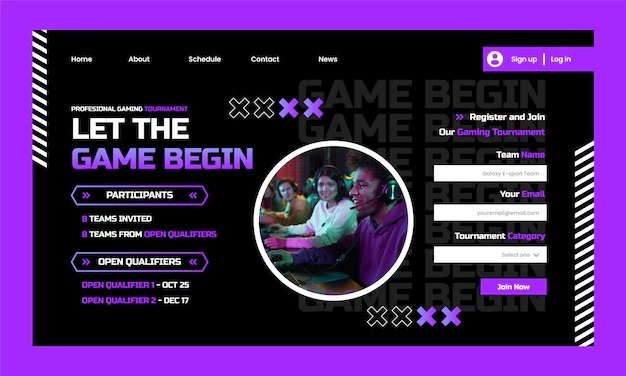










The Unexpected Bridge Between Esports and Cybersecurity
Growing up, I spent countless hours glued to my screen, dodging virtual bullets and outsmarting opponents in fast-paced esports games like Counter-Strike and Rocket League. Little did I know those late-night gaming sessions were quietly sharpening skills that could unlock a career in cybersecurity. The gaming world and cybersecurity might seem worlds apart, but the strategic thinking, quick reflexes, and teamwork honed in esports are proving to be a goldmine for the digital defense industry.
Why Esports Skills Translate to Cybersecurity
The Overlap of Mindsets
Esports and cybersecurity demand a similar mental toolkit: sharp problem-solving, adaptability, and laser-focused attention to detail. In games, you’re analyzing patterns to predict an opponent’s move; in cybersecurity, you’re spotting vulnerabilities before hackers do. This synergy isn’t just theoretical—companies like QinetiQ have hosted events to showcase how gaming skills mirror those needed in cybersecurity roles like ethical hacking.
A Growing Industry Need
The cybersecurity field is booming, with a 33% job growth projected through 2033, according to the U.S. Bureau of Labor Statistics. Yet, there’s a massive skills gap—only 83 cybersecurity workers exist for every 100 job openings. Esports players, with their knack for quick thinking and digital fluency, are stepping in to fill this void, bringing unique strengths to the table.
Key Esports Skills That Transfer to Cybersecurity
Below, I’ll break down the core skills esports players develop and how they align with cybersecurity roles. These aren’t just buzzwords—they’re real-world abilities I’ve seen in action, both in my own gaming journey and in stories from professionals who’ve made the leap.
1. Problem-Solving Under Pressure
Why It Matters in Esports
In esports, split-second decisions can mean victory or defeat. Whether you’re defusing a bomb in Counter-Strike or coordinating a last-second goal in Rocket League, you learn to solve complex problems under intense time constraints. I still remember clutching a 1v3 match with my heart racing, analyzing enemy positions in milliseconds.
How It Applies to Cybersecurity
Cybersecurity professionals, like penetration testers, face similar high-stakes scenarios. They simulate cyberattacks, racing against time to find and fix vulnerabilities before real hackers exploit them. This ability to think critically and act fast is why 72% of security managers see gamers as prime candidates, even without formal training.
2. Strategic Thinking and Planning
Why It Matters in Esports
Esports isn’t just about reflexes; it’s about outsmarting opponents. In games like League of Legends, you plan team compositions, map control, and resource allocation. I used to spend hours reviewing match replays, tweaking strategies to counter enemy tactics—a habit that felt like second nature.
How It Applies to Cybersecurity
Cybersecurity roles, such as game security analysts, require strategic foresight to anticipate threats. Professionals design security protocols, plan defenses against DDoS attacks, and analyze breach patterns—tasks that mirror the strategic depth of esports. David Viola from QinetiQ notes that combining “passion, planning, and knowledge” is key in both fields.
3. Teamwork and Communication
Why It Matters in Esports
No esports victory happens solo. Coordinating with teammates in Overwatch or Valorant demands clear communication and trust. I learned this the hard way when my team lost a tournament due to a miscalled strategy—lesson learned: clear comms are everything.
How It Applies to Cybersecurity
Cybersecurity teams rely on collaboration to tackle threats. For example, incident response teams work together to contain breaches, requiring precise communication to coordinate efforts. Esports players’ ability to sync with teammates translates seamlessly to these high-pressure environments.
4. Attention to Detail
Why It Matters in Esports
In competitive gaming, noticing tiny details—like an opponent’s movement pattern or a subtle audio cue—can shift the tide of a match. I once won a clutch moment in Rainbow Six Siege by spotting a pixel-wide gap in a barricade, revealing an enemy’s position.
How It Applies to Cybersecurity
Cybersecurity demands the same meticulous eye. Professionals like game security engineers comb through code for vulnerabilities or monitor network traffic for anomalies. Even a small oversight can lead to a breach, making gamers’ detail-oriented mindset a perfect fit.
5. Adaptability and Learning Agility
Why It Matters in Esports
Esports is ever-evolving, with new patches, metas, and strategies shaking things up regularly. Adapting to a new League of Legends champion or mastering a Fortnite update kept me on my toes, forcing me to learn fast and stay flexible.
How It Applies to Cybersecurity
Cyber threats evolve just as quickly, with new exploits emerging daily. Cybersecurity professionals must stay ahead, learning new tools and techniques. Gamers’ comfort with rapid adaptation makes them ideal for roles like cloud security engineers, who pivot to counter emerging threats.
Comparison: Esports Skills vs. Cybersecurity Skills
| Skill | Esports Application | Cybersecurity Application |
|---|---|---|
| Problem-Solving | Quick decisions in high-pressure matches | Identifying and fixing system vulnerabilities |
| Strategic Thinking | Planning team strategies and counters | Designing security protocols and defenses |
| Teamwork | Coordinating with teammates in real-time | Collaborating on incident response teams |
| Attention to Detail | Spotting subtle in-game cues | Detecting code flaws or network anomalies |
| Adaptability | Adjusting to game updates and new metas | Learning new cybersecurity tools and threats |
Pros and Cons of Transitioning from Esports to Cybersecurity
Pros:
- Transferable Skills: Problem-solving, teamwork, and adaptability directly apply to cybersecurity roles.
- High Demand: Cybersecurity offers strong job growth and salaries averaging $124,910 annually.
- Engaging Work: Both fields involve dynamic, puzzle-like challenges that keep you hooked.
- Diverse Roles: From ethical hacking to game security analysis, there’s a path for every gamer.
Cons:
- Learning Curve: Technical skills like programming or network security may require additional training.
- Certification Costs: Credentials like CISSP or CEH can be expensive and time-intensive.
- High Stakes: Mistakes in cybersecurity can have serious consequences, unlike in gaming.
- Perception Gaps: Some employers may undervalue gaming skills due to generational biases.
Real-World Examples of the Esports-to-Cybersecurity Pipeline
QinetiQ’s Crossover Event
In 2019, QinetiQ hosted a London event where esports players and hackers competed in Rocket League and lock-picking tasks, highlighting the overlap between gaming and cybersecurity skills. The event showed how gamers’ ability to navigate virtual challenges mirrors hacking into network defenses—a skill red teamers use daily.
Wicked6 Cyber Games
The Wicked6 Cyber Games brought college teams together to test gaming skills against cyberattack scenarios. Participants tackled simulated breaches, showcasing how esports-honed reflexes and teamwork translate to real-world cybersecurity tasks. These events are proving grounds for gamers eyeing cyber careers.
A Gamer’s Journey
Take Sarah, a friend who went from a Valorant pro to a cybersecurity analyst. Her esports background gave her an edge in spotting patterns and staying calm under pressure. After earning a Certified Ethical Hacker (CEH) certification, she landed a role at a gaming company, protecting player data from fraud. Her story isn’t unique—many gamers are making similar leaps.
How to Transition from Esports to Cybersecurity
Step 1: Assess Your Skills
Start by identifying the skills you’ve gained from esports. Are you a strategic thinker? A quick problem-solver? Map these to cybersecurity roles like penetration tester or game security analyst. Tools like CyberSeek can help you explore job demands and skill gaps.
Step 2: Gain Technical Knowledge
While esports skills are a great foundation, cybersecurity often requires technical expertise. Consider:
- Programming: Learn Python or C++ for scripting and vulnerability testing.
- Networking: Understand TCP/IP and firewalls for roles like network security engineer.
- Certifications: Pursue CompTIA Security+, CISSP, or CEH to boost credibility.
Step 3: Pursue Education or Training
A degree in computer science or cybersecurity is ideal but not mandatory. Online platforms like Coursera or EC-Council University offer affordable courses and certifications tailored to gaming industry roles. I started with a free Udemy course on ethical hacking, which opened my eyes to the field.
Step 4: Build Experience
Look for entry-level roles or internships in cybersecurity. Many gaming companies, like Riot Games, hire in-house security teams. Alternatively, compete in cybersecurity challenges like the US Cyber Games to gain hands-on experience and network with professionals.
Step 5: Network and Showcase Skills
Join cybersecurity communities on platforms like Discord or Reddit. Attend events like DEF CON or the International Defence Esports Games to connect with employers. Build a portfolio showcasing your gaming achievements and any cybersecurity projects to stand out.
Top Cybersecurity Roles for Esports Players
| Role | Responsibilities | Average Salary (USD) | Key Skills |
|---|---|---|---|
| Game Security Engineer | Secure game infrastructure and code | $120,000–$180,000 | Coding, network security |
| Game Security Analyst | Conduct audits, monitor threats | $98,000–$130,000 | Vulnerability assessment, anti-cheat tech |
| Penetration Tester | Simulate cyberattacks to find weaknesses | $111,000–$150,000 | Ethical hacking, problem-solving |
| Cloud Security Engineer | Protect cloud-based gaming systems | $130,000–$180,000 | Cloud security, data analysis |
| Chief Information Security Officer (CISO) | Oversee security strategy | $211,830–$309,527 | Leadership, strategic planning |
Source: Coursera, ZipRecruiter
Where to Start Your Cybersecurity Journey
- Online Courses: Platforms like Coursera, Udemy, or EC-Council University offer beginner-friendly cybersecurity programs.
- Certifications: Start with CompTIA Security+ or Certified Ethical Hacker (CEH) for credibility. Check EC-Council for gaming-focused tracks.
- Competitions: Join events like the US Cyber Games or Wicked6 to test skills and network.
- Job Boards: Browse Hitmarker or Indeed for gaming cybersecurity roles.
- Communities: Engage with groups like NASEF or British Esports for mentorship and opportunities.
People Also Ask (PAA) Section
How do gaming skills help in cybersecurity?
Gaming skills like problem-solving, strategic thinking, and teamwork directly apply to cybersecurity tasks like vulnerability assessment and incident response. Esports players’ ability to adapt and focus under pressure makes them strong candidates for roles like ethical hacking.
What cybersecurity jobs are available in the gaming industry?
Roles include game security engineer, game security analyst, penetration tester, cloud security engineer, and CISO. These jobs focus on protecting game servers, player data, and preventing cheating or DDoS attacks.
Do I need a degree for a cybersecurity career?
While a degree in computer science or cybersecurity helps, many employers value certifications like CEH or CISSP and practical experience. Esports players can leverage their skills to enter the field with targeted training.
Why is cybersecurity important in gaming?
Cybersecurity protects player data, prevents cheating, and ensures stable gaming platforms. With web attacks on gaming rising 167% from 2021 to 2022, skilled professionals are critical to maintaining trust and safety.
FAQ Section
Can esports players become cybersecurity professionals without experience?
Yes, many employers value gamers’ skills and may hire them with minimal experience if they pursue certifications like CompTIA Security+ or CEH. Hands-on competitions like the US Cyber Games can also build practical skills.
What certifications are best for gaming cybersecurity?
Top certifications include CompTIA Security+, Certified Ethical Hacker (CEH), and Certified Information Systems Security Professional (CISSP). These demonstrate expertise in securing gaming systems and networks.
How much can I earn in gaming cybersecurity?
Salaries range from $98,000 for game security analysts to $309,527 for CISOs, depending on experience and role. The industry’s high demand ensures competitive pay.
Are esports skills enough to start a cybersecurity career?
Esports skills provide a strong foundation, but technical knowledge in programming, networking, or security tools is often required. Supplement with courses or certifications to bridge the gap.
How do I find gaming cybersecurity jobs?
Check job boards like Hitmarker, Indeed, or Built In for gaming-specific roles. Networking at events like DEF CON or joining communities like NASEF can also open doors.
Tips for Success in Cybersecurity
- Start Small: Begin with free online courses or entry-level certifications to build confidence.
- Practice in Competitions: Events like the US Cyber Games simulate real-world challenges.
- Stay Updated: Follow cybersecurity blogs like The Daily Swig for the latest threats and trends.
- Network Actively: Connect with professionals on LinkedIn or at events like the International Defence Esports Games.
- Showcase Your Gaming Roots: Highlight esports skills in your resume to stand out to employers.
The Future of Esports and Cybersecurity
The gaming industry, projected to hit $16 billion by 2024, faces growing cyber threats, with 37% of all DDoS attacks targeting gaming platforms. As esports expands, so does the need for cybersecurity experts who understand the gaming ecosystem. My own journey from late-night gaming to exploring cybersecurity taught me that the skills we hone in virtual arenas aren’t just for fun—they’re a launchpad to a rewarding career. Whether you’re clutching a match or securing a network, the thrill of solving problems under pressure is the same. Start exploring this path today, and you might just find yourself defending the digital world with the same passion you bring to the game.