









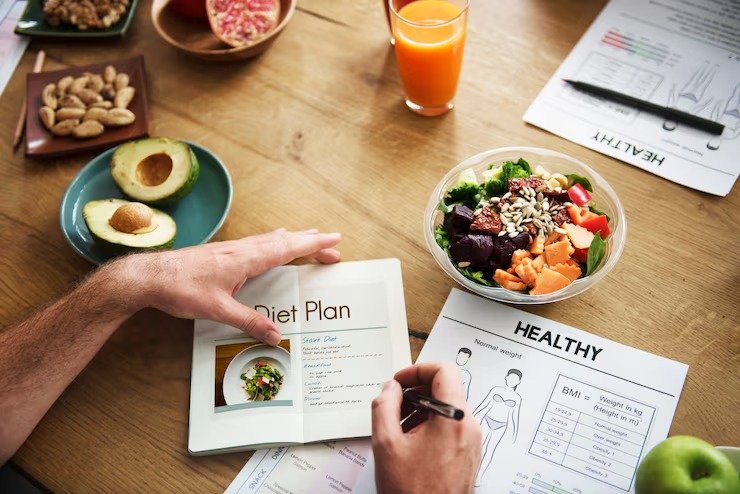
Why Healthy Weight Loss Matters
Losing weight isn’t just about fitting into your favorite jeans or hitting a number on the scale—it’s about feeling stronger, healthier, and more confident in your own skin. A healthy weight loss plan prioritizes sustainable habits over quick fixes, ensuring you maintain your progress without harming your body. It’s a journey that blends science, lifestyle changes, and a sprinkle of patience to achieve lasting results.
Understanding Weight Loss: The Basics
What Is Healthy Weight Loss?
Healthy weight loss involves shedding pounds at a steady, sustainable pace—typically 1-2 pounds per week—through balanced nutrition, regular exercise, and mindful habits. It avoids extreme diets or unsafe practices that promise rapid results but often lead to rebound weight gain. The goal is to create a calorie deficit while nourishing your body with the right foods and activities.
Why Crash Diets Don’t Work
Crash diets, like those promising to melt 10 pounds in a week, often cut calories too drastically, leaving you hungry, tired, and nutrient-deficient. They may show quick results, but they’re unsustainable and can slow your metabolism, making it harder to keep the weight off. A 2018 study found that 80% of people who lose weight rapidly regain it within a year, compared to those who lose gradually and maintain long-term success.
The Science of Weight Loss
Calories In, Calories Out
At its core, weight loss boils down to a simple equation: burn more calories than you consume. This creates a calorie deficit, prompting your body to tap into stored fat for energy. However, it’s not just about eating less—it’s about eating smarter and moving more to keep your metabolism humming.
The Role of Metabolism
Your metabolism determines how efficiently your body burns calories. Factors like age, genetics, and muscle mass influence it, but you can boost it through strength training and eating protein-rich foods. A 2020 study in The Journal of Clinical Nutrition showed that high-protein diets increase metabolic rate by 10-15%, helping you burn more calories even at rest.
Hormones and Hunger
Hormones like ghrelin (the hunger hormone) and leptin (the satiety hormone) play a huge role in weight loss. Poor sleep, stress, or an unbalanced diet can throw these hormones off, making you feel hungrier than you are. Managing stress and getting 7-8 hours of sleep can stabilize these hormones, making it easier to stick to your plan.
Building a Healthy Weight Loss Plan
Step 1: Set Realistic Goals
Forget about losing 20 pounds in a month. Aim for 1-2 pounds per week, which is both achievable and sustainable. Setting small, measurable goals—like cutting out soda or walking 30 minutes daily—keeps you motivated without feeling overwhelmed.
Step 2: Focus on Nutrition
A balanced diet is the cornerstone of healthy weight loss. Prioritize whole foods like vegetables, lean proteins, whole grains, and healthy fats while limiting processed foods and sugars. A 2021 study in The Lancet found that diets rich in whole foods reduce body fat by 5-7% more than processed food-heavy diets over six months.
Step 3: Incorporate Exercise
Exercise isn’t just about burning calories—it builds muscle, boosts mood, and improves heart health. Aim for a mix of cardio (like brisk walking or cycling) and strength training (like bodyweight exercises or lifting weights) for at least 150 minutes per week, as recommended by the CDC.
Step 4: Stay Consistent
Consistency trumps perfection. You don’t need to eat kale salads every day or run a marathon to lose weight. Small, daily habits—like drinking water instead of juice or taking the stairs—add up over time. Track your progress with a journal or app to stay accountable.
Best Diets for Healthy Weight Loss
Mediterranean Diet
Often ranked the #1 diet by U.S. News & World Report, the Mediterranean diet emphasizes fruits, vegetables, whole grains, olive oil, and lean proteins like fish. It’s flexible, heart-healthy, and sustainable, with studies showing it leads to 5-10% body weight loss over a year.
Intermittent Fasting
Intermittent fasting (IF) involves cycling between eating and fasting periods, like the 16:8 method (16 hours fasting, 8 hours eating). It can reduce calorie intake and improve insulin sensitivity, with a 2022 study showing 3-8% weight loss in 8 weeks for most participants.
Low-Carb Diets
Low-carb diets, like keto or Atkins, limit carbs to shift your body into fat-burning mode. They can be effective for quick weight loss, but long-term adherence is tough. A 2019 meta-analysis found low-carb diets result in 4-6% more weight loss than low-fat diets in the first six months.
Comparison of Popular Diets
| Diet | Key Focus | Pros | Cons |
|---|---|---|---|
| Mediterranean | Whole foods, healthy fats | Sustainable, heart-healthy | Slower weight loss |
| Intermittent Fasting | Eating windows | Flexible, improves insulin sensitivity | May cause hunger during fasting |
| Low-Carb | Reduced carb intake | Fast initial weight loss | Hard to maintain, nutrient concerns |
Practical Tips for Sustainable Weight Loss
Eat More Protein
Protein keeps you full, preserves muscle, and boosts metabolism. Aim for 0.8-1.2 grams of protein per kilogram of body weight daily. Think eggs, chicken, tofu, or Greek yogurt. A friend of mine, Sarah, lost 15 pounds by swapping sugary snacks for protein-packed options like boiled eggs and almonds—it kept her full and energized.
Stay Hydrated
Drinking water can curb hunger and boost calorie burning. A 2016 study found that drinking 500ml of water before meals led to 2-3% more weight loss over 12 weeks. Carry a reusable water bottle and aim for 8-10 cups daily.
Prioritize Sleep
Lack of sleep messes with hunger hormones, making you crave junk food. I once stayed up late binge-watching a show and ended up raiding the fridge at 2 a.m.—sound familiar? Aim for 7-8 hours of quality sleep to keep cravings in check.
Manage Stress
Stress triggers cortisol, which can lead to fat storage, especially around the belly. Practices like yoga, meditation, or even a 10-minute walk can lower cortisol levels. A 2020 study showed that mindfulness practices reduced body fat by 3% in stressed individuals over three months.
Pros and Cons of Common Weight Loss Strategies
- Pros of Balanced Diets:
- Sustainable long-term
- Nutrient-rich, supports overall health
- Flexible for different lifestyles
- Cons of Balanced Diets:
- Slower results compared to extreme diets
- Requires planning and preparation
- Pros of Exercise:
- Boosts mood and energy
- Improves heart health and muscle tone
- Cons of Exercise:
- Time commitment
- Risk of injury if not done properly
Tools and Resources for Weight Loss
Best Apps for Tracking Progress
- MyFitnessPal: Tracks calories, macros, and exercise with a user-friendly interface.
- Lose It!: Sets personalized goals and offers barcode scanning for food logging.
- Fitbit: Syncs with wearables to monitor steps, sleep, and calories burned.
Where to Find Support
- Online Communities: Platforms like Reddit’s r/loseit or Weight Watchers forums offer motivation and tips.
- Nutritionists: A registered dietitian can create a tailored plan. Find one through the Academy of Nutrition and Dietetics.
- Fitness Coaches: Local gyms or apps like Future connect you with trainers for personalized workouts.
Meal Prep Services
For busy folks, meal prep services like HelloFresh or Freshly deliver healthy, portion-controlled meals. They save time and ensure you’re eating nutrient-dense foods without the hassle of cooking every day.
Avoiding Common Weight Loss Pitfalls
Skipping Meals
Skipping breakfast or lunch might seem like a shortcut, but it often leads to overeating later. I learned this the hard way when I skipped lunch and ended up devouring a whole pizza for dinner. Eat regular, balanced meals to keep hunger in check.
Over-Reliance on Supplements
Weight loss pills or shakes aren’t magic bullets. The FTC warns that products promising “lightning-fast” results are often scams and may harm your health. Focus on whole foods instead of relying on supplements.
Ignoring Portion Control
Even healthy foods can lead to weight gain if portions are too large. Use smaller plates or measure servings with a food scale to avoid mindless eating. A 2017 study showed that portion control reduced calorie intake by 20% in participants.
People Also Ask (PAA)
How Can I Lose Weight Without Dieting?
Focus on small lifestyle changes: eat more vegetables, walk daily, and prioritize sleep. These habits create a calorie deficit naturally without restrictive diets. Apps like MyFitnessPal can help track progress.
What Is the Fastest Way to Lose Weight Safely?
A combination of a balanced diet, regular exercise, and adequate sleep promotes safe, steady weight loss of 1-2 pounds per week. Avoid crash diets, as they’re unsustainable and harmful.
Which Foods Help Burn Fat?
Foods like avocados, nuts, green tea, and chili peppers may boost metabolism slightly. However, no food “burns fat” on its own—focus on a calorie-controlled, nutrient-dense diet.
How Much Exercise Do I Need to Lose Weight?
Aim for 150-300 minutes of moderate exercise (like brisk walking) or 75-150 minutes of vigorous exercise (like running) per week, plus two strength training sessions, per CDC guidelines.
FAQ Section
How Long Does It Take to See Weight Loss Results?
Most people notice changes in 4-8 weeks with consistent effort. Visible results depend on starting weight, diet, and exercise. Aim for 1-2 pounds per week for sustainable progress.
Can I Lose Weight Without Exercise?
Yes, by creating a calorie deficit through diet alone, but exercise boosts results and improves overall health. Even light activity like walking helps.
Are Weight Loss Supplements Safe?
Many supplements lack FDA approval and may have side effects. Always consult a doctor before trying them, and prioritize whole foods for safe weight loss.
How Do I Stay Motivated to Lose Weight?
Set small, achievable goals, track progress, and celebrate non-scale victories like better energy or fitting into old clothes. Join a community for support and accountability.
What’s the Best Diet for Quick Weight Loss?
Diets like keto or intermittent fasting can yield quick results, but they’re hard to sustain. The Mediterranean diet is a safer, long-term option for most people.
Where to Start Your Weight Loss Journey
Ready to begin? Start small: swap one sugary drink for water, add a 15-minute walk to your day, or try a new healthy recipe. Visit trusted sites like Healthline or Mayo Clinic for evidence-based tips. For personalized guidance, consult a dietitian or use apps like MyFitnessPal to track your progress. Your journey is unique—embrace it with patience and consistency, and you’ll not only lose weight but gain a healthier, happier you.