








Stepping into a gym for the first time can feel like walking into a new world. The clanging weights, whirring treadmills, and confident gym-goers might make you feel a bit out of place. But here’s the truth: everyone starts somewhere. I remember my first day at the gym, nervously eyeing the dumbbells, wondering if I’d accidentally drop one on my foot. Spoiler alert: I didn’t, and you won’t either if you start smart. This article is your guide to conquering that first week in the gym with a beginner workout plan that’s practical, effective, and designed to build your confidence. Let’s dive into a week-long plan that blends strength, cardio, and mobility, all while keeping things simple and fun.
Why Start with a Beginner Workout Plan?
A structured plan for your first week sets the foundation for long-term success. It helps you learn proper form, avoid injury, and build the habit of showing up. Think of it as your gym GPS, guiding you through the maze of equipment and routines.
The Importance of Starting Slow
Jumping into heavy weights or intense cardio on day one is a recipe for soreness or burnout. A beginner plan eases you in, focusing on technique and consistency. You’ll feel accomplished without feeling overwhelmed, setting you up for steady progress.
Benefits of a Structured First Week
A well-designed plan boosts confidence, reduces injury risk, and helps you see results faster. It’s like planting a seed—start small, nurture it, and watch it grow. You’ll also learn how your body responds to exercise, making future workouts more intuitive.
Understanding Your Goals as a Beginner
Before you lace up your sneakers, take a moment to define your goals. Are you aiming to build muscle, lose fat, or simply feel healthier? Your first week’s plan will work for any of these, but knowing your “why” keeps you motivated.
Muscle Building vs. Fat Loss vs. General Fitness
Muscle building requires heavier weights and fewer reps, while fat loss leans on cardio and calorie control. General fitness blends both for overall health. Your first week will include a bit of everything to kickstart your journey, no matter your goal.
Setting Realistic Expectations
Don’t expect to look like a bodybuilder or run a marathon by Friday. Progress takes time—aim for small wins, like mastering a push-up or feeling less winded on the treadmill. These victories build momentum for the long haul.
Your First Week Workout Plan: Overview
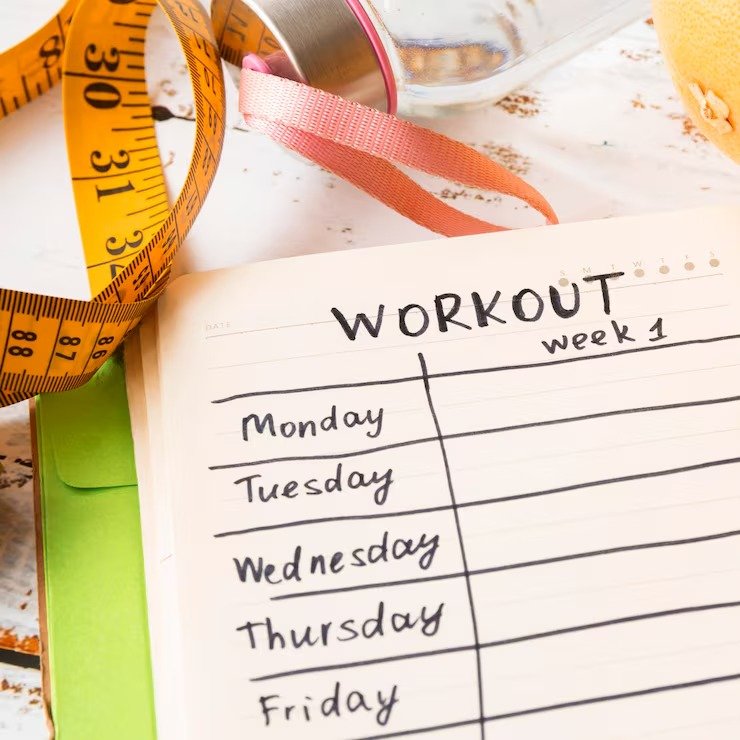
This beginner workout plan is designed for three gym sessions in your first week, ideally on Monday, Wednesday, and Friday. Each session lasts about 45–60 minutes and includes a warm-up, strength training, cardio, and a cool-down. You’ll focus on full-body workouts to hit all major muscle groups, ensuring balanced development. Rest days between sessions allow your muscles to recover, which is when they actually grow stronger.
Why Three Days a Week?
Three days is manageable for beginners, fitting into busy schedules while allowing ample recovery time. It’s enough to build a habit without feeling like you’re living at the gym. Plus, it’s a schedule you can stick to long-term.
What to Expect Each Session
Each workout includes 5–10 minutes of warm-up, 30–40 minutes of strength and cardio, and 5–10 minutes of stretching. You’ll use bodyweight exercises, light weights, and simple cardio machines to keep things approachable. Expect to feel challenged but not defeated.
The Beginner Workout Plan: Day-by-Day Breakdown
Below is your detailed plan for the first week. Each day includes specific exercises, sets, reps, and tips to ensure proper form. I’ve also included a table summarizing the plan for quick reference. If you’re unsure about an exercise, ask a trainer or check instructional videos online—most gyms have Wi-Fi, so you can sneak a peek mid-workout!
Day 1: Monday – Full-Body Strength and Cardio
Start your week with a full-body workout to activate all major muscle groups. This session introduces you to basic movements like squats and push-ups, paired with light cardio to get your heart pumping.
Warm-Up (5–10 Minutes)
Begin with 5 minutes of brisk walking on the treadmill (3–4 mph) followed by dynamic stretches like arm circles and leg swings. This preps your muscles and joints, reducing injury risk. Think of it as waking up your body for the work ahead.
Strength Training (25–30 Minutes)
- Bodyweight Squats: 3 sets of 12 reps. Stand with feet shoulder-width apart, push your hips back, and lower until thighs are parallel to the ground. Keep your chest up.
- Push-Ups (Knee or Standard): 3 sets of 8–10 reps. Place hands under shoulders, keep your body in a straight line, and lower until your chest nearly touches the floor.
- Seated Dumbbell Shoulder Press: 3 sets of 10 reps with light dumbbells (5–10 lbs). Sit on a bench, press weights overhead, and lower slowly.
- Assisted Pull-Ups or Lat Pulldown: 3 sets of 8 reps. Use the gym’s assisted pull-up machine or lat pulldown with a light weight to target your back.
Cardio (10 Minutes)
Hop on a stationary bike and pedal at a moderate pace (50–60 RPM). Aim for a level where you can talk but feel slightly breathless. This builds endurance without exhausting you.
Cool-Down (5–10 Minutes)
Finish with static stretches like a hamstring stretch (hold each leg for 20 seconds) and a chest opener (clasp hands behind back and lift gently). It’s like giving your muscles a thank-you hug.
Day 2: Wednesday – Full-Body Strength and Cardio
Midweek, you’ll build on Monday’s foundation with slightly different exercises to keep things fresh. This session introduces lunges and planks for core stability.
Warm-Up (5–10 Minutes)
Do 5 minutes of light jogging on the treadmill (4–5 mph) followed by dynamic stretches like high knees and torso twists. This gets your blood flowing and preps you for movement.
Strength Training (25–30 Minutes)
- Bodyweight Lunges: 3 sets of 10 reps per leg. Step forward, lower until your front thigh is parallel to the ground, and push back to standing.
- Incline Push-Ups: 3 sets of 10 reps. Use a bench to place your hands, making push-ups easier while still building chest and arm strength.
- Dumbbell Rows: 3 sets of 10 reps per arm with light dumbbells (5–10 lbs). Bend at the hips, pull the weight to your side, and lower slowly.
- Plank: 3 sets of 15–20 seconds. Hold a straight line from head to heels, engaging your core. Don’t let your hips sag!
Cardio (10 Minutes)
Try the elliptical machine at a steady pace (resistance level 3–5). Focus on smooth, controlled movements. It’s low-impact, so your joints will thank you.
Cool-Down (5–10 Minutes)
Stretch your quads (pull one foot to your glutes) and shoulders (cross-body arm stretch). Hold each for 20 seconds to release tension and improve flexibility.
Day 3: Friday – Full-Body Strength and Cardio
End your week strong with a mix of new and familiar exercises. This session adds a deadlift variation to target your posterior chain (back, glutes, and hamstrings).
Warm-Up (5–10 Minutes)
Walk briskly on the treadmill for 5 minutes, then do dynamic stretches like walking lunges and arm swings. You’re priming your body for one last push.
Strength Training (25–30 Minutes)
- Goblet Squats: 3 sets of 10 reps with a light dumbbell (10–15 lbs). Hold the weight at your chest, squat down, and stand up tall.
- Push-Ups (Knee or Standard): 3 sets of 10 reps. Stick with what felt good on Monday, but try for one extra rep if you’re feeling strong.
- Dumbbell Deadlifts: 3 sets of 10 reps with light dumbbells (10–15 lbs). Hinge at your hips, keep your back flat, and lower weights to shin level.
- Seated Cable Row: 3 sets of 10 reps with a light weight. Pull the handle to your torso, squeezing your shoulder blades together.
Cardio (10 Minutes)
Use the rowing machine at a moderate pace (26–28 strokes per minute). Focus on form—push with your legs, then pull with your arms. It’s a full-body cardio win!
Cool-Down (5–10 Minutes)
End with a full-body stretch: touch your toes for hamstrings, do a side stretch for obliques, and a triceps stretch. Hold each for 20 seconds to feel refreshed.
Weekly Workout Plan Summary Table
| Day | Warm-Up | Strength Exercises | Cardio | Cool-Down |
|---|---|---|---|---|
| Monday | 5 min treadmill walk, dynamic stretches | Bodyweight Squats, Push-Ups, Shoulder Press, Pull-Ups | 10 min bike | Static stretches |
| Wednesday | 5 min treadmill jog, dynamic stretches | Lunges, Incline Push-Ups, Dumbbell Rows, Plank | 10 min elliptical | Static stretches |
| Friday | 5 min treadmill walk, dynamic stretches | Goblet Squats, Push-Ups, Deadlifts, Cable Row | 10 min rowing machine | Static stretches |
Pros and Cons of This Beginner Workout Plan
Pros
- Beginner-Friendly: Simple exercises with low weights reduce intimidation.
- Balanced Approach: Targets all muscle groups for full-body development.
- Time-Efficient: 45–60-minute sessions fit busy schedules.
- Injury Prevention: Emphasis on form and rest minimizes risks.
- Scalable: Easy to adjust as you get stronger.
Cons
- Limited Variety: Same muscle groups each session may feel repetitive.
- Equipment Access: Requires basic gym equipment, which may be busy during peak hours.
- Learning Curve: Proper form takes practice, and beginners may need guidance.
Tips for Success in Your First Week
Your first week is about building habits, not breaking records. Here are some practical tips to keep you on track, drawn from my own trial-and-error days as a gym newbie.
Master Proper Form First
Form trumps everything. Poor technique can lead to injury, so focus on slow, controlled movements. If you’re unsure, ask a trainer or watch videos from reputable sources like the American Council on Exercise.
Track Your Progress
Keep a simple journal or use an app like MyFitnessPal to log your exercises, weights, and reps. Seeing small improvements—like adding one push-up—feels incredibly rewarding. It’s like watching your fitness story unfold.
Stay Hydrated and Fueled
Drink water before, during, and after your workout. A light snack, like a banana or yogurt, 30 minutes before the gym provides energy without weighing you down. Trust me, you don’t want to feel like a sluggish sloth mid-squat.
Listen to Your Body
If you’re sore or tired, take an extra rest day. Overtraining can set you back, and rest is when your muscles rebuild stronger. Active recovery, like a walk or yoga, can keep you moving without strain.
People Also Ask (PAA) Section
What should a beginner do at the gym?
Start with a full-body workout plan focusing on basic exercises like squats, push-ups, and rows. Combine strength training, cardio, and stretching for balance. Aim for 2–3 sessions per week with rest days in between to recover.
How long should a beginner’s gym workout last?
A beginner’s workout should last 45–60 minutes, including a 5–10-minute warm-up, 30–40 minutes of strength and cardio, and a 5–10-minute cool-down. This duration is effective without being overwhelming.
What equipment do beginners need at the gym?
Beginners can start with bodyweight exercises and light dumbbells (5–15 lbs). Access to a treadmill, bike, elliptical, or rowing machine is great for cardio. Most gyms have these, so no fancy gear is required.
How do I avoid injury as a beginner in the gym?
Focus on proper form, start with light weights, and avoid overtraining. Warm up before and stretch after each session. If unsure, consult a trainer to ensure safe technique.
Comparison: Full-Body vs. Split Workouts for Beginners
| Aspect | Full-Body Workouts | Split Workouts |
|---|---|---|
| Definition | Train all major muscle groups in one session | Train specific muscle groups on different days |
| Best For | Beginners, busy schedules, building habits | Intermediate lifters, targeting specific muscles |
| Frequency | 2–3 days per week | 4–6 days per week |
| Benefits | Balanced development, time-efficient | More focus on specific muscles, higher volume |
| Drawbacks | Less focus per muscle group | Time-intensive, complex for beginners |
For your first week, full-body workouts are ideal. They’re simpler, require fewer gym days, and build a strong foundation. Split workouts can come later when you’re ready to dive deeper.
Where to Get Workout Resources
- Gym Trainers: Most gyms offer free or low-cost introductory sessions with trainers to teach form and answer questions.
- Online Videos: Websites like Nuffield Health or YouTube channels from certified trainers provide free exercise tutorials.
- Apps: MyFitnessPal or Fitbod can track workouts and suggest routines tailored to beginners.
- Books: “Starting Strength” by Mark Rippetoe is a great resource for learning proper lifting techniques.
Best Tools for Beginners
- Dumbbells (5–15 lbs): Versatile for strength exercises like rows and presses.
- Resistance Bands: Affordable for home or gym use, great for assisted pull-ups.
- Fitness Journal or App: Track progress to stay motivated and monitor improvements.
- Comfortable Workout Gear: Invest in breathable clothing and supportive shoes to feel confident and safe.
FAQ Section
How do I know if I’m using the right weight?
Choose a weight you can lift for 8–12 reps with good form but feels challenging by the last rep. If it’s too easy, increase slightly; if you can’t maintain form, go lighter.
Can I do cardio every day as a beginner?
Light cardio, like walking, is fine daily, but intense cardio should be limited to 3–4 days to avoid overtraining. Mix it with strength and rest for balance.
What if I feel intimidated at the gym?
It’s normal! Start during quieter hours (mid-morning or late evening), bring a friend, or focus on one machine at a time. Everyone’s too busy with their own workout to judge you.
Should I hire a personal trainer for my first week?
A trainer can help with form and confidence but isn’t mandatory. If your budget allows, even one session can set you up for success. Otherwise, use online resources.
How soon will I see results from my workouts?
You may feel stronger or more energetic within 1–2 weeks. Visible changes, like muscle tone or fat loss, typically take 4–8 weeks with consistent effort and diet.
Final Thoughts: Your First Step to a Fitter You
Your first week in the gym is a milestone, not a race. This beginner workout plan is designed to make you feel capable, not crushed. By focusing on simple exercises, proper form, and rest, you’re laying the groundwork for a lifelong fitness journey. I still smile thinking about my first wobbly push-up—it wasn’t perfect, but it was progress. Stick with this plan, celebrate your small wins, and you’ll be amazed at how far you go. Ready to hit the gym? Grab your water bottle, and let’s make it happen!