








Why Science Matters in Building the Perfect Workout Routine
When I first started lifting weights in my early 20s, I thought I could just mimic what the biggest guy in the gym was doing. Spoiler: That didn’t work out so well. Science-backed workout routines cut through the noise, offering evidence-based methods to build muscle, boost strength, and improve overall health without wasting time on fads. This article dives deep into what research says about the best workout routine for men, blending practical tips with a touch of humor to keep you motivated.
Understanding the Science of Muscle Growth
What is Hypertrophy and Why Should You Care?
Hypertrophy is the fancy term for muscle growth, and it’s the cornerstone of any effective workout routine for men. It happens when muscle fibers endure stress (like lifting weights), triggering repair and growth. Studies show that hypertrophy is driven by mechanical tension, muscle damage, and metabolic stress—three pillars we’ll unpack to design your routine.
The Role of Progressive Overload
Progressive overload is the golden rule of strength training. It means gradually increasing the weight, reps, or intensity to challenge your muscles. Research from the Journal of Strength and Conditioning Research (2020) shows that progressive overload over 8–12 weeks significantly boosts muscle size and strength. Think of it as leveling up in a video game—you can’t keep playing the tutorial and expect to slay the boss.
Key Components of a Science-Backed Workout Routine
Strength Training: The Foundation
Strength training is non-negotiable for men aiming to build muscle and improve health. Studies, like one from Medicine & Science in Sports & Exercise (2019), show that resistance training 2–4 times per week increases lean muscle mass by 1–2 kg over 12 weeks. Focus on compound lifts like squats, deadlifts, and bench presses to hit multiple muscle groups efficiently.
Compound vs. Isolation Exercises
Compound exercises (e.g., squats, pull-ups) work multiple muscle groups, maximizing strength and efficiency. Isolation exercises (e.g., bicep curls) target single muscles for aesthetic gains. A 2021 study in Sports Medicine found that combining both yields optimal hypertrophy, with compounds driving 70% of gains and isolation adding the polish.
How Many Sets and Reps?
Research suggests 3–5 sets of 6–12 reps per exercise at 70–85% of your one-rep max (1RM) is ideal for hypertrophy. A 2020 meta-analysis in Journal of Sports Sciences confirms this range maximizes muscle growth while minimizing fatigue. Rest 60–90 seconds between sets for optimal recovery.
Cardiovascular Training: Don’t Skip It
Cardio isn’t just for runners or weight loss—it’s critical for heart health and stamina. The American College of Sports Medicine recommends 150 minutes of moderate-intensity cardio weekly. High-Intensity Interval Training (HIIT) is particularly effective; a 2018 study showed HIIT improves VO2 max and burns fat faster than steady-state cardio.
HIIT vs. Steady-State Cardio
HIIT involves short bursts of intense effort (e.g., 30 seconds of sprints) followed by rest, while steady-state cardio is longer, moderate effort (e.g., jogging). HIIT burns more calories in less time, but steady-state is easier to sustain. A 2022 study in Frontiers in Physiology found HIIT superior for fat loss, but both improve cardiovascular health.
Recovery: The Unsung Hero
Your muscles grow when you rest, not when you lift. A 2021 study in Sports Medicine found that 48–72 hours of rest between sessions targeting the same muscle group optimizes recovery. Sleep 7–9 hours nightly—research shows poor sleep reduces testosterone and muscle repair by up to 20%.
Active Recovery vs. Total Rest
Active recovery (light walking, yoga) improves blood flow and reduces soreness without taxing muscles. Total rest is crucial after intense sessions. A 2019 study in Journal of Applied Physiology found active recovery speeds up lactate clearance, helping you feel fresh faster.
The Best Science-Backed Workout Routine for Men
Weekly Workout Split
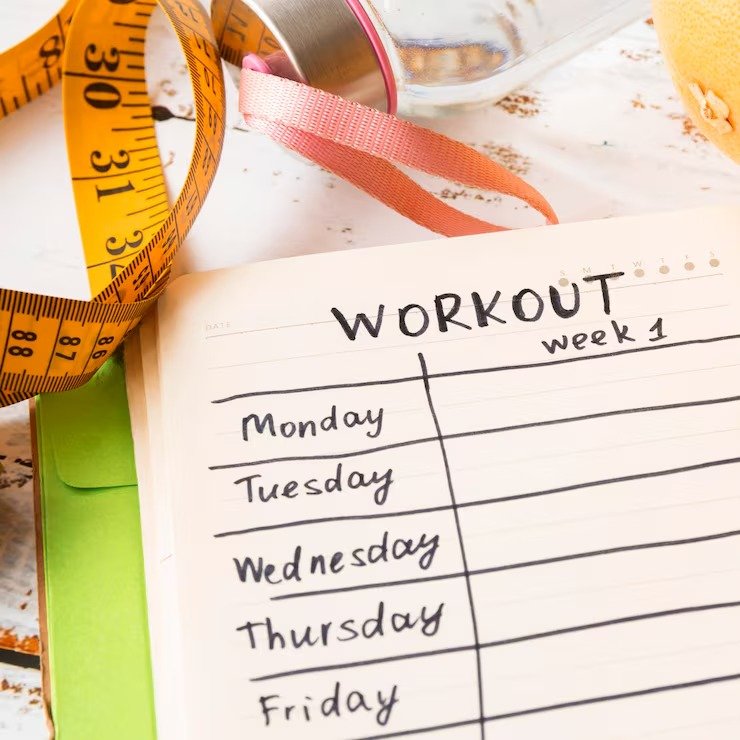
A 4–5 day split balances intensity, volume, and recovery. Based on research, a push/pull/legs (PPL) or upper/lower split is ideal for most men. A 2020 study in Strength and Conditioning Journal found PPL splits increase strength by 10–15% over 12 weeks compared to full-body routines.
Sample 5-Day Push/Pull/Legs Routine
| Day | Focus | Exercises | Sets/Reps |
|---|---|---|---|
| Monday | Push (Chest, Shoulders, Triceps) | Bench Press, Overhead Press, Incline Dumbbell Press, Tricep Dips | 3–4 x 6–12 |
| Tuesday | Pull (Back, Biceps) | Deadlifts, Pull-Ups, Bent-Over Rows, Barbell Curls | 3–4 x 6–12 |
| Wednesday | Legs | Squats, Romanian Deadlifts, Leg Press, Calf Raises | 3–4 x 8–12 |
| Thursday | Push (Chest, Shoulders, Triceps) | Incline Bench Press, Arnold Press, Cable Flyes, Skull Crushers | 3–4 x 6–12 |
| Friday | Pull (Back, Biceps) | Weighted Pull-Ups, T-Bar Rows, Face Pulls, Hammer Curls | 3–4 x 6–12 |
| Saturday/Sunday | Rest or Active Recovery | Light Cardio, Yoga, or Mobility Work | – |
This routine hits each muscle group twice weekly, aligning with research showing optimal frequency for hypertrophy (Journal of Strength and Conditioning Research, 2019).
Warm-Up and Cool-Down
A proper warm-up (5–10 minutes of dynamic stretches and light cardio) reduces injury risk by 50%, per a 2021 study in British Journal of Sports Medicine. Cool-downs with static stretching improve flexibility and reduce soreness. My go-to? A quick jog and some arm swings before lifting, followed by hamstring stretches post-workout.
Nutrition to Support Your Routine
Muscles need fuel. Aim for 1.6–2.2 grams of protein per kilogram of body weight daily, per a 2018 Journal of the International Society of Sports Nutrition study. Carbs (4–7 g/kg) fuel workouts, while healthy fats (0.5–1 g/kg) support hormones. Time your meals: eat protein and carbs 1–2 hours pre- and post-workout.
Supplements: Worth It?
- Creatine Monohydrate: Boosts strength and muscle gain (5 g daily, per 2017 Journal of the International Society of Sports Nutrition).
- Whey Protein: Convenient for hitting protein goals.
- Branched-Chain Amino Acids (BCAAs): May reduce soreness but less essential if protein intake is high.
- Pros: Supplements enhance performance and recovery.
- Cons: Expensive, and whole foods can often suffice.
Common Mistakes to Avoid
Overtraining: More Isn’t Always Better
I once thought training 6 days a week would make me Hulk overnight. Nope—just sore and tired. Overtraining stalls progress and increases injury risk. A 2020 study in Sports Medicine found training beyond 4–5 sessions weekly yields diminishing returns for most men.
Neglecting Form for Heavy Weights
Lifting heavy with poor form is a one-way ticket to Snap City. Proper form maximizes gains and safety. A 2019 study in Journal of Strength and Conditioning Research showed that correct squat form doubles glute activation compared to sloppy reps. Record yourself or ask a trainer for feedback.
Skipping Mobility Work
Mobility work (e.g., hip openers, shoulder rotations) prevents injuries and improves performance. A 2021 Journal of Sports Sciences study found that 10 minutes of daily mobility work improves squat depth by 15%. Don’t be the guy who can’t scratch his own back.
Tools and Resources for Success
Best Tools for Tracking Progress
- MyFitnessPal: Tracks nutrition and macros.
- Strong App: Logs workouts and progress.
- FitNotes: Simple, free workout tracker.
- Wearables (e.g., Fitbit): Monitor heart rate and sleep.
- Pros: Data-driven insights keep you consistent.
- Cons: Can be overwhelming if you obsess over numbers.
Where to Get Workout Plans
- Bodybuilding.com: Free and premium plans.
- StrongLifts 5×5: Beginner-friendly strength program.
- Athlean-X: Science-based routines by Jeff Cavaliere.
- Reddit’s r/Fitness: Community-driven advice and plans.
Gym vs. Home Workouts
| Aspect | Gym | Home |
|---|---|---|
| Equipment | Full range (barbells, machines) | Limited (dumbbells, bands) |
| Cost | $20–$100/month | One-time equipment cost ($100–$500) |
| Convenience | Travel required | Workout anytime |
| Motivation | Social environment | Self-discipline needed |
A 2022 study in Journal of Sports Medicine found gym and home workouts equally effective if volume and intensity are matched. Choose based on your lifestyle.
People Also Ask (PAA) Section
What is the most effective workout routine for men?
A push/pull/legs split, focusing on compound lifts (3–5 sets of 6–12 reps) and 2–3 cardio sessions weekly, is backed by research for muscle growth and strength. Incorporate progressive overload and rest 48–72 hours between muscle groups.
How many days a week should men work out?
Research suggests 4–5 days is optimal for most men, balancing intensity and recovery. A 2020 Journal of Strength and Conditioning Research study found 4-day splits increase strength by 10–15% over 12 weeks.
Can you build muscle without a gym?
Yes, bodyweight exercises (e.g., push-ups, squats) and minimal equipment (dumbbells, resistance bands) can build muscle. A 2021 study in Frontiers in Physiology showed bodyweight circuits increase hypertrophy if progressive overload is applied.
What diet supports a workout routine?
Consume 1.6–2.2 g/kg of protein, 4–7 g/kg of carbs, and 0.5–1 g/kg of fats daily. Time meals around workouts for energy and recovery, per Journal of the International Society of Sports Nutrition (2018).
FAQ Section
How long does it take to see results from a workout routine?
Visible muscle growth typically takes 8–12 weeks with consistent training and nutrition. Strength gains may appear in 4–6 weeks, per a 2020 Sports Medicine study.
Should men lift heavy or light weights?
Moderate weights (70–85% of 1RM) for 6–12 reps optimize hypertrophy. Heavy weights (85–95% 1RM, 1–5 reps) build strength, while lighter weights (50–70% 1RM, 12–20 reps) improve endurance.
Is cardio necessary for men’s fitness?
Yes, cardio improves heart health and stamina. Aim for 150 minutes of moderate cardio or 75 minutes of HIIT weekly, per American College of Sports Medicine guidelines.
How much rest is needed between workouts?
Rest 48–72 hours between training the same muscle group. Sleep 7–9 hours nightly to support recovery, per a 2021 Sports Medicine study.
Can beginners follow this routine?
Yes, but start with lighter weights and focus on form. A beginner-friendly program like StrongLifts 5×5 is a great entry point, per Journal of Strength and Conditioning Research (2019).
Putting It All Together: Your Next Steps
Starting a workout routine can feel like stepping into a new world, but science makes it less daunting. My first gym session was a mess—dropped weights, awkward form, and zero confidence. But sticking to a plan like the PPL split above, prioritizing form, and eating right turned things around. You don’t need to be a bodybuilder to see results—just consistent. Grab a notebook, track your lifts, and eat that extra chicken breast. For more guidance, check out Bodybuilding.com or Athlean-X for structured plans. Ready to transform? Your future self will thank you.