






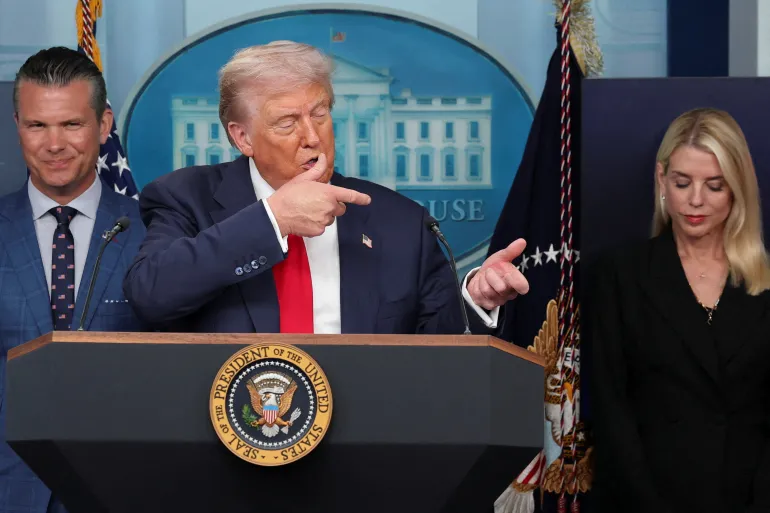
Imagine waking up to the news that hundreds of National Guard troops are rolling into Washington, DC, under direct orders from the President. It’s not a scene from a dystopian novel—it’s a real event that has sparked curiosity, concern, and heated debate across the nation. In August 2025, President Donald Trump activated National Guard units to deploy to the capital, citing reasons tied to public safety and federal control. But why? What’s driving this decision, and what does it mean for the city and the country? Let’s dive into the details, peel back the layers, and explore the implications of this move with a clear, human perspective.
The Context of the Deployment
A Response to Rising Crime Rates
In early August 2025, posts on X and major news outlets like Reuters and The New York Post reported that President Trump ordered National Guard troops to Washington, DC, to address what he described as a “crime emergency.” The official narrative points to a surge in local crime, with the deployment aimed at protecting federal property and supporting local law enforcement. This move aligns with Trump’s broader agenda of prioritizing law and order, a recurring theme in his political rhetoric.
Federalizing DC’s Security
On August 12, 2025, Trump invoked Section 740 of the DC Home Rule Act, placing the Metropolitan Police Department under federal control. This unprecedented step allowed the federal government to oversee local policing, with National Guard troops acting as a visible extension of that authority. The deployment, ordered to last from August 11 to September 25, 2025, involves troops stationed at key locations like Union Station and metro stops, some potentially armed—a reversal of initial orders.
Historical Precedent: National Guard in DC
Past Deployments for Context
The National Guard has been deployed to Washington, DC, before, notably during the January 6, 2021, Capitol riot and the 2020 racial justice protests. These instances were tied to specific events—riots, protests, or inaugurations—where federal intervention was deemed necessary. However, the 2025 deployment stands out because it’s framed as a proactive measure against a generalized “crime emergency” rather than a response to a singular event.
Why This Time Feels Different
Unlike past deployments, the 2025 activation has raised eyebrows due to its timing and broader implications. Critics on X have called it a “political stunt,” suggesting Trump is using the Guard to project strength or federalize DC’s governance. Others see it as a legitimate response to crime statistics, though specific data justifying the emergency remains sparse. The lack of transparency has fueled speculation, with some X users hinting at “something bigger brewing.”
The Official Reasoning
Public Safety and Federal Property
The White House has stated that the deployment aims to protect federal property and support the Metropolitan Police Department. According to a Reuters report cited on X, the order falls under 32 U.S.C. § 502, which allows the President to activate the Guard for federal duties. The focus on crime aligns with Trump’s campaign promises to crack down on urban violence, particularly in Democratic strongholds like DC.
Deputizing the Guard
A notable aspect of this deployment is the deputization of National Guard troops by the US Marshals Service. This move grants them law enforcement powers, allowing them to assist in arrests and crowd control. It’s a rare step that amplifies the Guard’s role beyond symbolic presence, raising questions about the scope of their authority in a civilian setting.
The Controversy Surrounding the Move
Political Motivations or Public Safety?
The deployment has sparked polarized reactions. Supporters, like the X user @FFT1776, argue that it’s a necessary step to restore order, with some claiming “America is in agreement.” Critics, however, see it as an overreach. One X post labeled it a “military backdrop for a political stunt,” warning that it undermines the Guard’s role as protectors of citizens. The timing, close to the 2024 election aftermath, adds fuel to accusations of political theater.
Federal Control vs. Local Autonomy
Washington, DC, operates under a unique governance structure, with Congress holding ultimate authority. Trump’s invocation of the DC Home Rule Act to federalize the police has reignited debates about DC’s lack of statehood and local control. Critics argue this move sets a precedent for overriding local governments, while supporters see it as a necessary intervention in a city with rising crime rates.
The Broader Implications
Impact on Washington, DC Residents
For DC residents, the sight of National Guard troops at metro stations and federal buildings can be jarring. It evokes memories of past crises, creating a sense of unease. Local businesses, already navigating economic challenges, may face disruptions if the deployment escalates tensions or deters visitors. On the flip side, some residents may welcome the increased security if crime rates are indeed spiking.
National Political Ramifications
The deployment sends a message nationwide: the federal government is willing to take drastic steps to assert control. This could embolden similar actions in other cities or signal a shift toward centralized policing under certain conditions. It also risks escalating tensions with local leaders, particularly in Democratic-leaning areas, setting the stage for legal and political battles.
Comparing Past and Present Deployments
| Event | Year | Reason | Duration | Key Features |
|---|---|---|---|---|
| January 6 Capitol Riot | 2021 | Response to insurrection | Days | Heavy security, unarmed Guard |
| Racial Justice Protests | 2020 | Crowd control | Weeks | Mixed armed/unarmed presence |
| Trump’s 2025 Deployment | 2025 | Crime emergency | Aug 11–Sep 25 | Federalized police, deputized Guard |
Key Differences
The 2025 deployment is unique in its proactive nature and federalization of local police. Unlike past reactive deployments, this one lacks a clear triggering event, relying instead on a broad “crime emergency” justification. The deputization of troops and potential arming add layers of complexity, raising concerns about civil liberties.
The Human Side of the Story
Let me share a quick story. A friend of mine, a DC resident, texted me the other day, rattled by the sight of camouflaged troops at her local metro stop. “It feels like we’re in a war zone,” she said, half-joking but clearly uneasy. She’s lived through DC’s ups and downs, from protests to pandemics, but this felt different—like a power play rather than protection. Her story echoes sentiments on X, where residents express both fear and frustration. It’s a reminder that behind the headlines are real people grappling with the implications of these decisions.
People Also Ask (PAA)
Why is the National Guard in DC right now?
The National Guard is in Washington, DC, in August 2025 due to President Trump’s activation under a “crime emergency” declaration. The deployment, lasting from August 11 to September 25, aims to protect federal property and support local law enforcement, with troops potentially armed and deputized by the US Marshals.
Can the President deploy the National Guard to DC?
Yes, under 32 U.S.C. § 502 and the DC Home Rule Act, the President can deploy the National Guard to Washington, DC, for federal duties like protecting property or supporting law enforcement. Trump’s 2025 order leverages these powers to federalize DC’s police and deploy troops.
What is the DC Home Rule Act?
The DC Home Rule Act of 1973 grants Washington, DC, limited self-governance but allows Congress and the President to intervene in local affairs. Section 740, invoked by Trump in 2025, enables federal control over the Metropolitan Police Department during emergencies.
Are National Guard troops armed in DC?
Initially unarmed, some National Guard troops in DC may now carry weapons, per a reversal of initial orders reported on X. This change aligns with their deputization by the US Marshals for law enforcement duties.
Pros and Cons of the Deployment
Pros
- Enhanced Security: Increased presence may deter crime and protect federal assets.
- Federal Support: Local police gain resources to tackle reported crime surges.
- Political Messaging: Signals a tough stance on law and order, resonating with Trump’s base.
Cons
- Civil Liberties Concerns: Armed troops and federalized police raise fears of overreach.
- Local Tensions: Undermines DC’s autonomy, potentially alienating residents.
- Unclear Justification: Lack of specific crime data fuels skepticism about the “emergency.”
What’s Next for DC?
Ongoing Negotiations
As of August 22, 2025, the deployment is set to continue until September 25. Local leaders are likely engaging with federal officials to clarify the scope and duration of the Guard’s presence. The outcome of these talks could shape DC’s governance and public safety policies moving forward.
Potential for Escalation
If crime rates don’t subside or if political tensions rise, the deployment could extend or expand. Conversely, legal challenges, like those seen in past tariff disputes, could limit federal authority. The Court of International Trade’s 2025 ruling against certain tariffs shows courts can check executive actions, and similar lawsuits may emerge.
FAQ Section
Q: Why did Trump send the National Guard to DC in 2025?
A: Trump activated the National Guard to address a declared “crime emergency,” aiming to protect federal property and support the Metropolitan Police Department, which he placed under federal control via the DC Home Rule Act.
Q: How long will the National Guard stay in DC?
A: The deployment is scheduled from August 11 to September 25, 2025, per the executive order. Extensions could occur if the “emergency” persists.
Q: Are the National Guard troops armed?
A: Initially unarmed, some troops may now carry weapons following a policy reversal, as reported on X. They’re also deputized by the US Marshals for law enforcement tasks.
Q: How does this affect DC residents?
A: Residents may face increased security presence at public spaces, potential disruptions to daily life, and concerns about federal overreach. Local businesses could see reduced foot traffic if tensions escalate.
Q: Can DC challenge the federalization of its police?
A: Yes, DC could pursue legal action, as seen in past challenges to executive overreach. The Court of International Trade’s 2025 tariff ruling suggests courts may intervene if federal actions exceed authority.
Conclusion
The deployment of National Guard troops to Washington, DC, in August 2025 is a complex issue, blending public safety concerns with political maneuvering. While the White House frames it as a necessary response to crime, the lack of clear data and the federalization of local police have sparked debate. For DC residents, it’s a tangible disruption; for the nation, it’s a signal of shifting power dynamics. As we await further developments, one thing is clear: this move will shape conversations about governance, security, and autonomy for months to come. Stay informed, and let’s keep watching how this unfolds.
For more on federal authority in DC, check out Congress.gov’s overview of the DC Home Rule Act.
To understand past Guard deployments, read History.com’s analysis of the 2021 Capitol riot response.